
CO-CURRICULAR ACTIVITIES
Panel Discussion on Global Perspectives in Automation and Energy
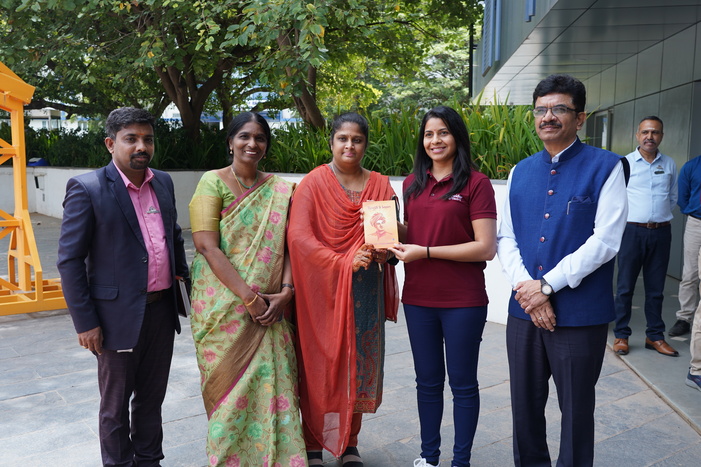
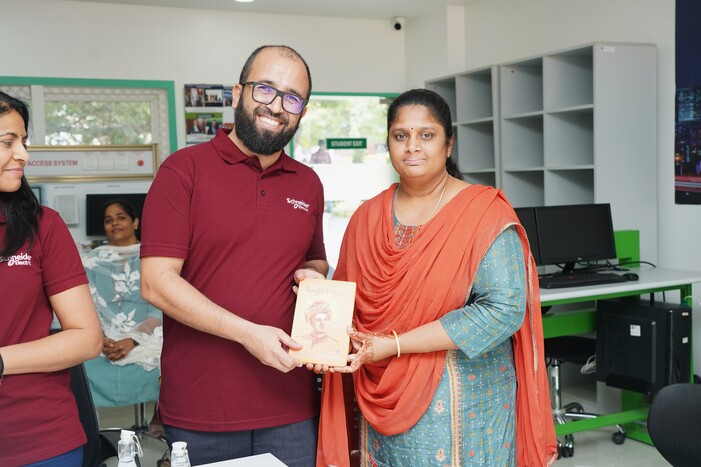
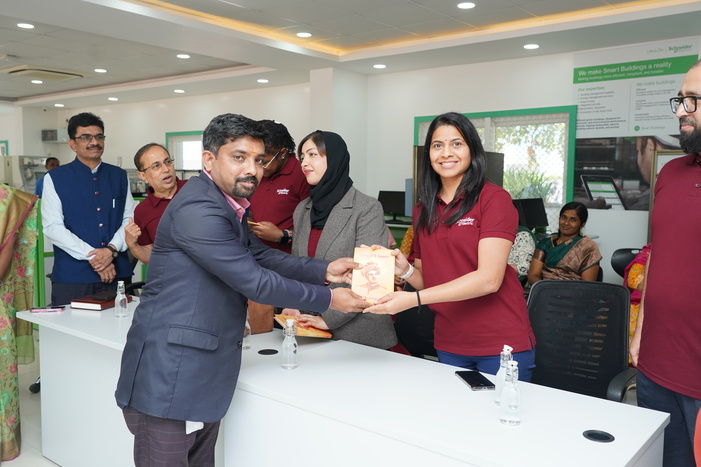
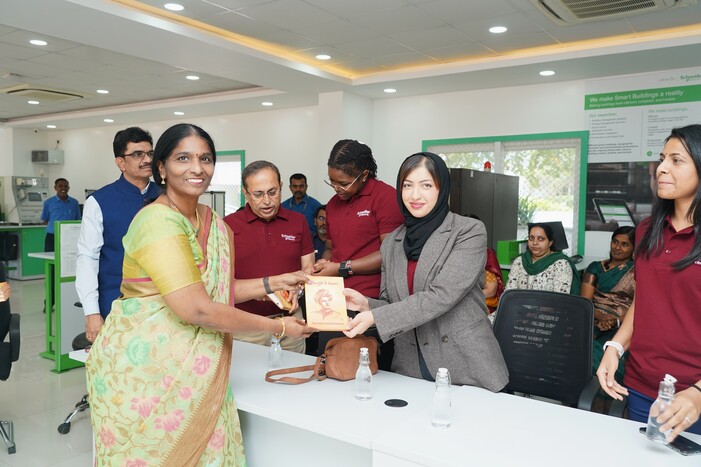
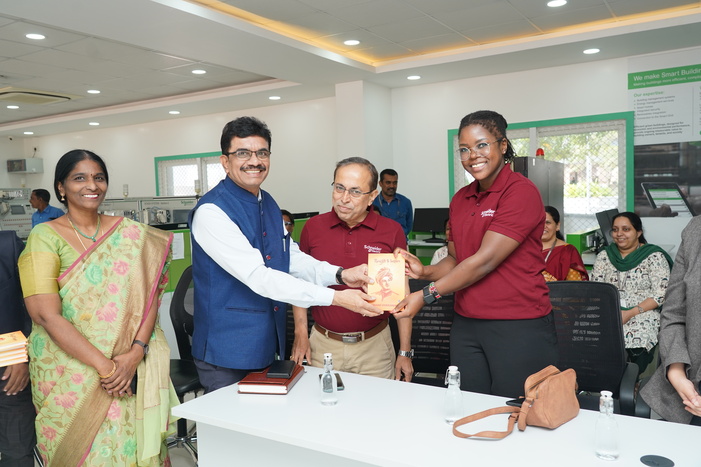
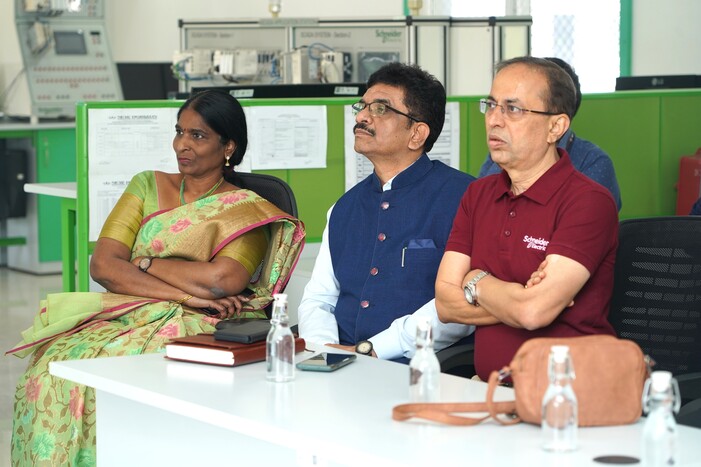
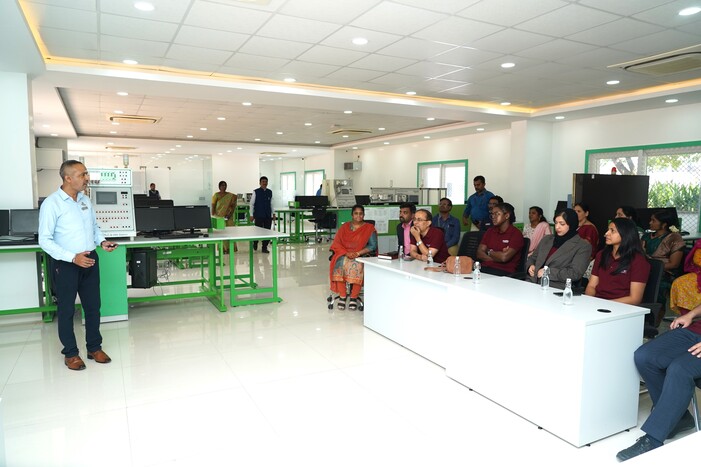
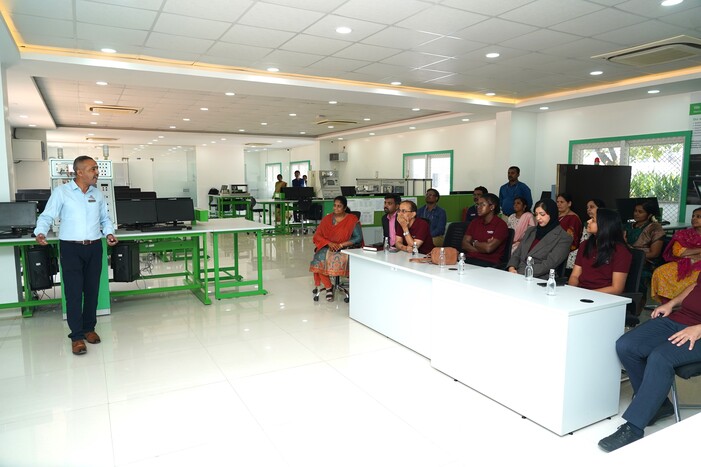
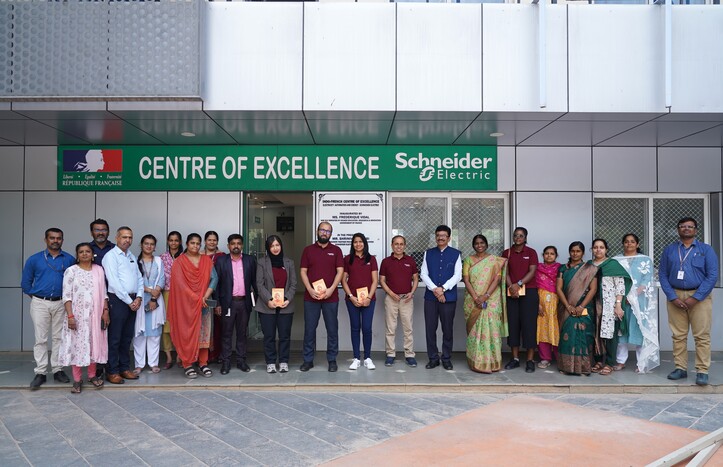
The Department of Electrical and Electronics Engineering (EEE), in association with Schneider Electric and the IEEE Dielectrics and Electrical Insulation Society (DEIS) – New Horizon College of Engineering Student Branch Chapter (DEI32, SBC66131F), successfully organised an Industry Interaction Programme on “Global Perspectives in Automation and Energy” on 24th July 2026 at the Schneider Electric Centre of Excellence.
The event aimed to strengthen the long-standing partnership between Schneider Electric and New Horizon College of Engineering, while exploring new avenues for industry engagement, joint training initiatives, and student-centric opportunities.
The interaction featured a distinguished delegation of global leaders from Schneider Electric, including Mr Sai Krishna Rao, Senior General Manager – Education, Programme Development, MEA Region; Mr Ossamma Mahmoud and Ms Hayaa Mansoori from Abu Dhabi; Ms Sarika Andhee and Ms Juanita Els from South Africa; and Ms Janet Langa from Kenya. The programme was further graced by the presence of Dr R J Anandhi, Vice Principal – Academics, and Dr Manjunatha, Principal, New Horizon College of Engineering. It was attended by all faculty members of the EEE Department.
The college team presented a comprehensive overview tracing the evolution, origins, and key milestones of the Schneider Electric-NHCE partnership. The presentation highlighted various academic and skill-development initiatives offered under the association, including specialised training programmes, certification courses, laboratory support, and industry-aligned curriculum inputs designed to enhance student employability in automation, industrial energy systems, and smart technologies.
The visiting delegates shared valuable perspectives on emerging trends in automation, renewable energy integration, and sustainable industrial practices drawn from their global operations across the Middle East and African regions.
The candid discussions enabled participants to deliberate on deepening the partnership through structured training modules, potential internship and placement opportunities, and long-term initiatives aimed at bridging the gap between academic learning and industry requirements.
Overall, the session successfully fostered cross-cultural exchange and reaffirmed the institution’s strategic emphasis on building meaningful industry collaborations to support student development in automation and energy systems.