INFRASTRUCTURE
Laboratory
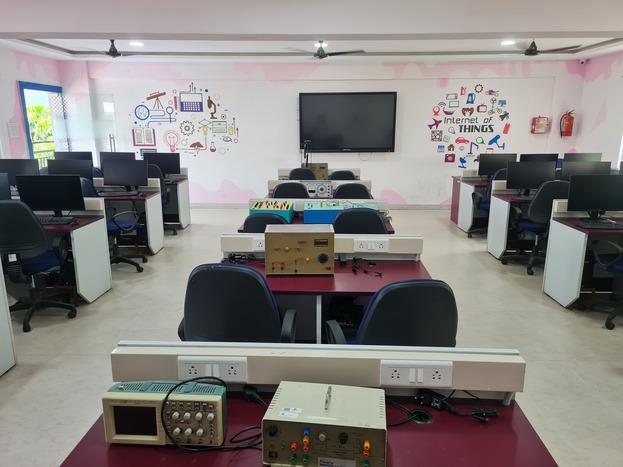
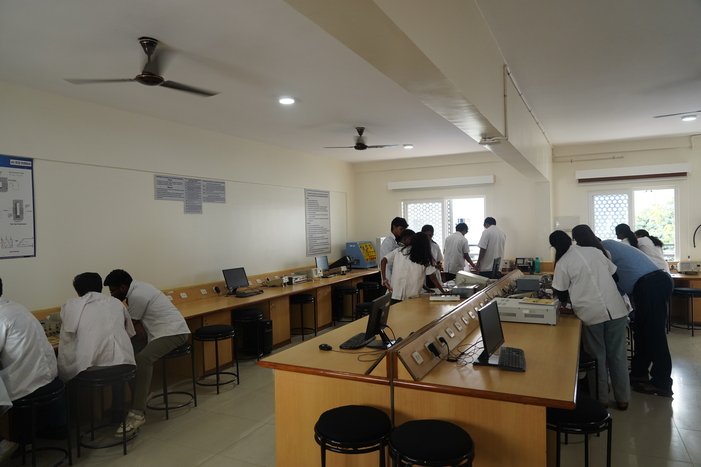
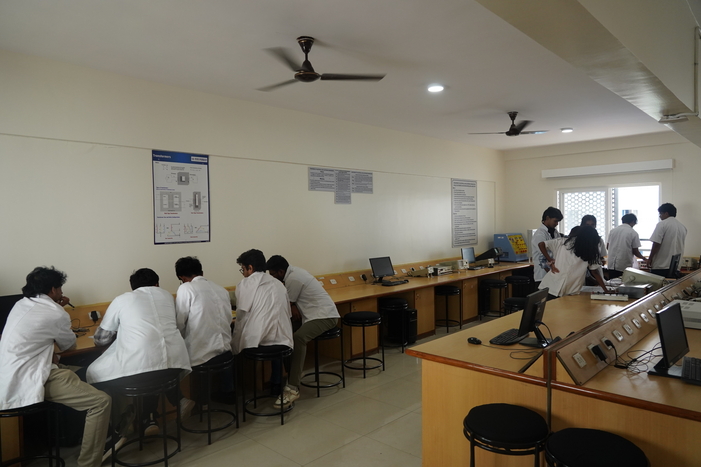
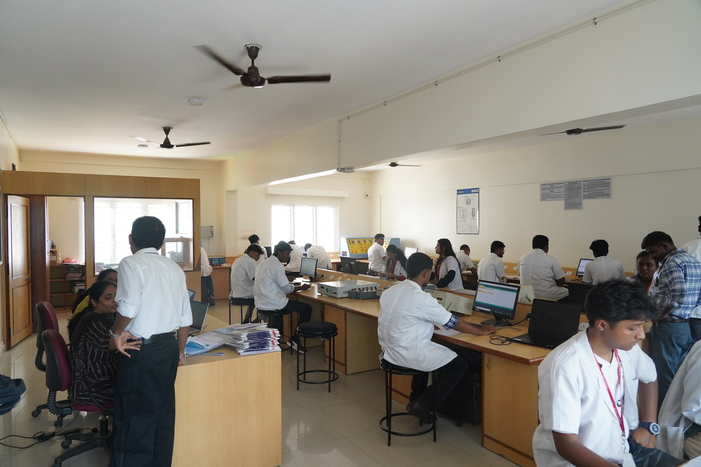
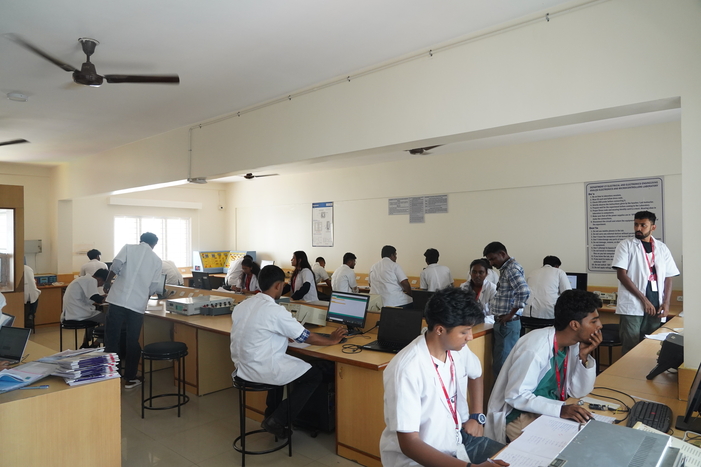
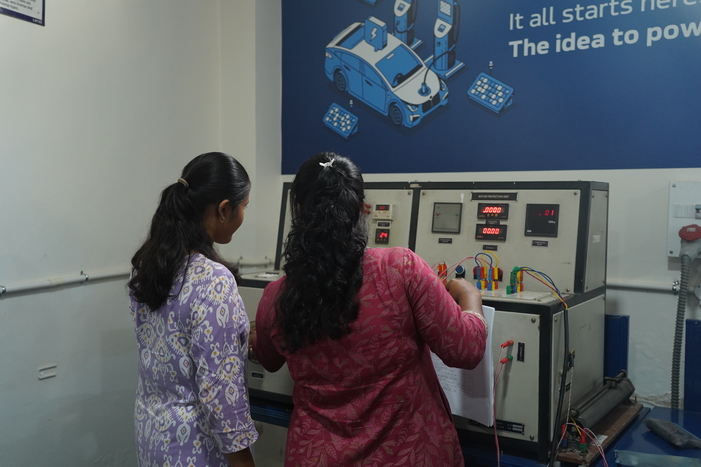
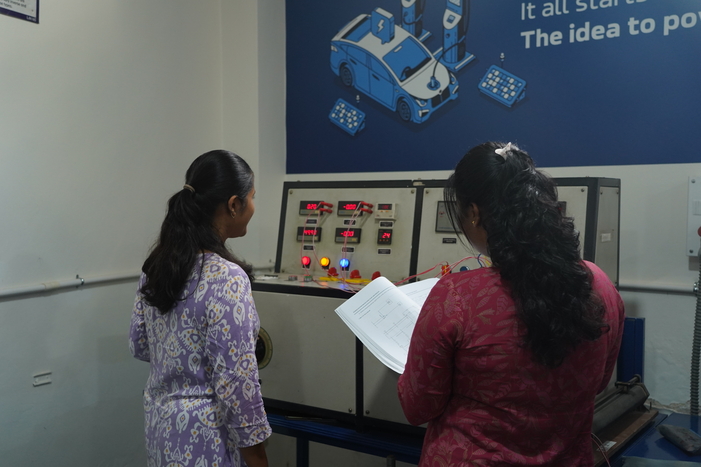
Control and Measurements Laboratory
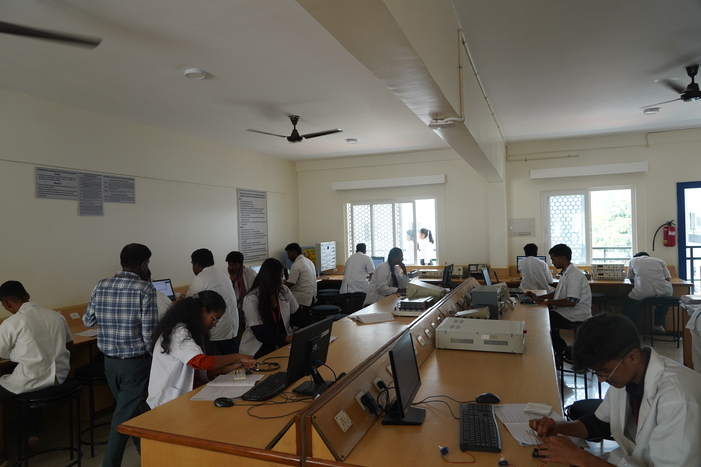
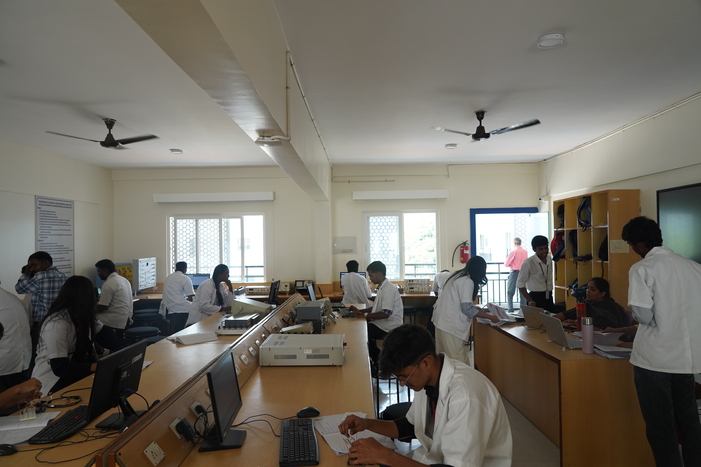
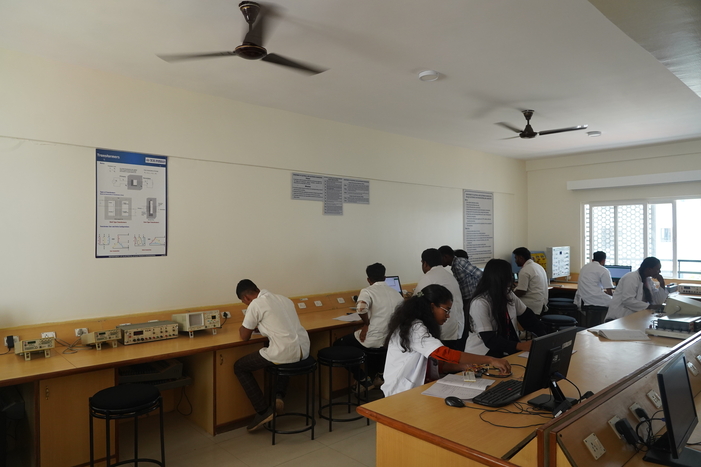
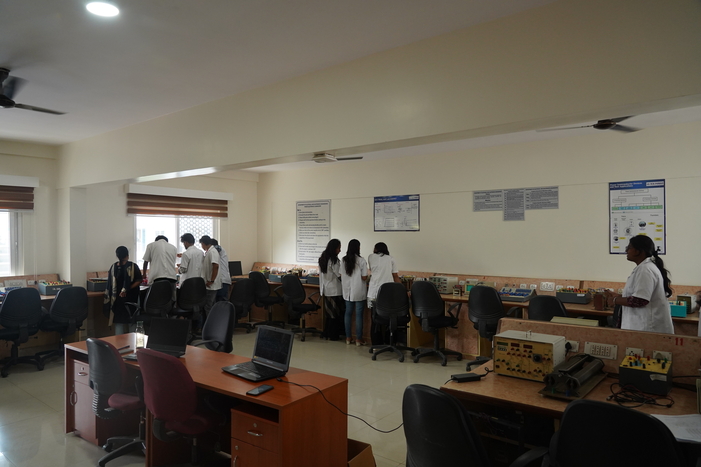
The Control and Measurements Laboratory provide students with practical knowledge of control systems and electrical measurement techniques through hands-on experiments and simulation-based learning. The laboratory enables students to analyse and design control systems using MATLAB and validate their results through hardware implementation.
The laboratory facilitates experiments on servo motors, synchros, compensator networks, PID controllers, AC and DC bridges, insulation resistance testers (Megger) and various electrical transducers. These experiments help students understand system performance, measurement principles, instrumentation and control strategies, thereby enhancing their analytical, experimental and problem-solving skills.
Analog and Microcontroller Laboratory
The Analog and Microcontroller Laboratory provide students with hands-on experience in the design, analysis and implementation of analogue electronic circuits and embedded systems. The laboratory enables students to work with semiconductor devices such as diodes, bipolar junction transistors (BJTs), operational amplifiers, digital ICs and timer circuits (IC 555), helping them develop a strong foundation in analogue signal processing and electronic circuit design.
The laboratory also facilitates programming and interfacing of microcontrollers using Keil-51 software. Students gain practical experience in embedded system development, including interfacing input/output devices, signal generation and processor programming. These experiments enhance students’ understanding of electronic systems, microcontroller architecture and real-world applications in modern embedded and automation technologies.
Electric Circuit and Research Laboratory
The Electric Circuit and Research Laboratory provides students with a strong foundation in electrical circuit analysis through hands-on experiments and simulation-based learning. The laboratory enables students to construct, analyse and verify the performance of electrical circuits using various passive and active circuit elements, thereby strengthening their understanding of fundamental electrical engineering principles.
The laboratory also supports circuit modelling, simulation and research activities using modern software tools, enabling students to validate theoretical concepts and analyse circuit behaviour under different operating conditions. It provides an ideal environment for developing experimental, analytical and research skills, preparing students for advanced studies and real-world engineering applications.
Electrical Machines Laboratory
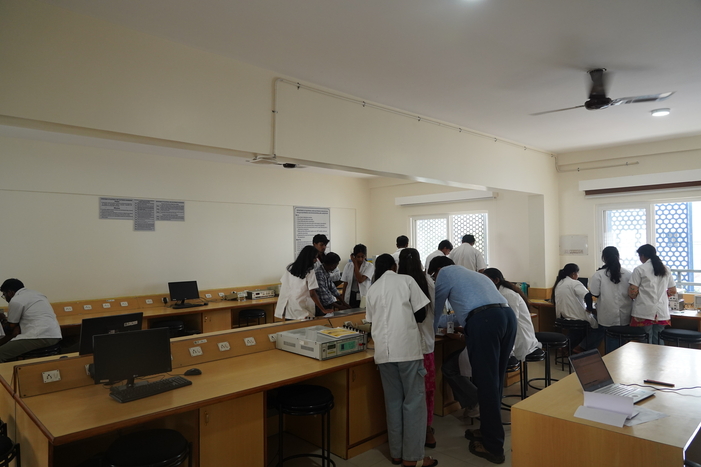
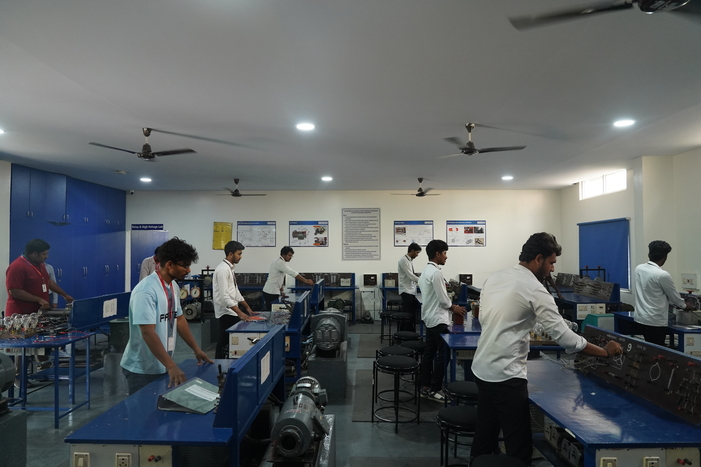
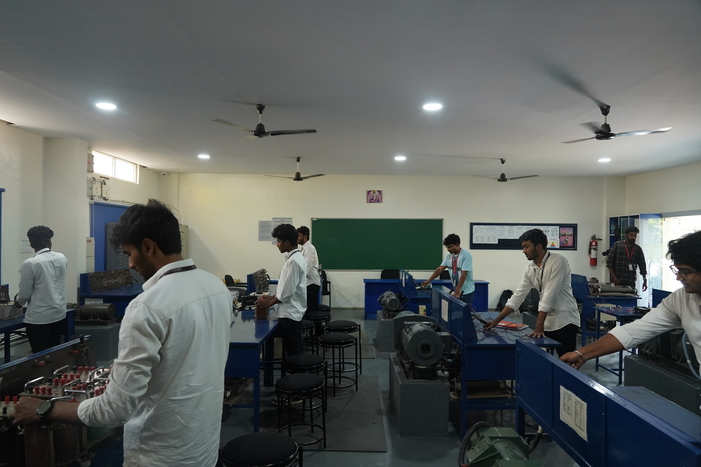
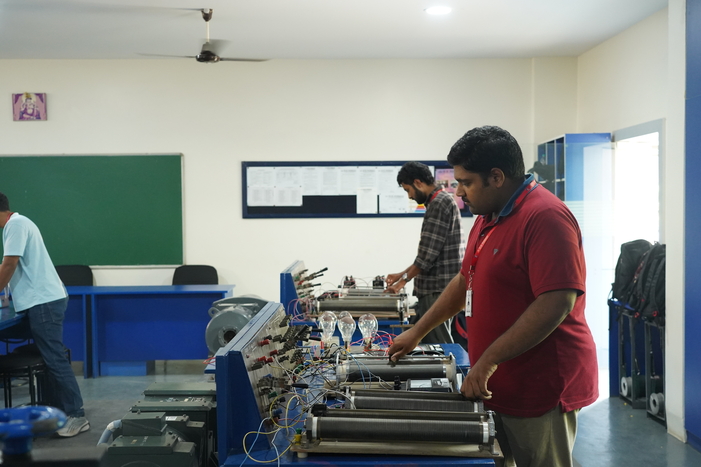
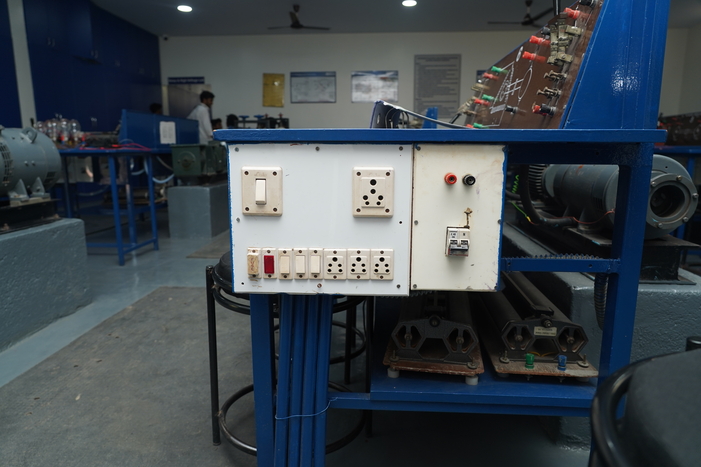
The DC Machines and Transformers Laboratory and the Synchronous and Induction Machines Laboratory are equipped with a comprehensive range of electrical machines, transformers, measuring instruments and loading arrangements to provide students with hands-on practical experience. These laboratories enable students to understand the construction, operation, testing, control and performance characteristics of DC, induction and synchronous machines, as well as single-phase and three-phase transformers.
The laboratories facilitate experiments on motors, generators and transformers, including efficiency evaluation, speed control, voltage regulation, load characteristics, parameter determination, synchronisation and transformer testing. Through these practical sessions, students develop a strong understanding of electrical machine operation, experimental analysis and industry-relevant skills in testing, measurement and performance evaluation.
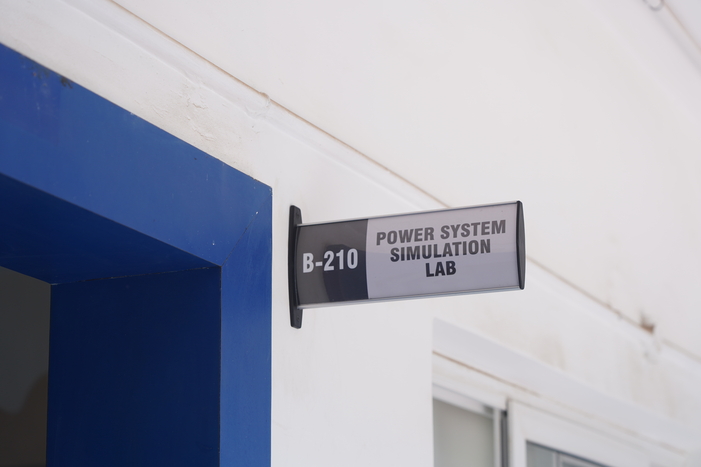
Power System Simulation Laboratory
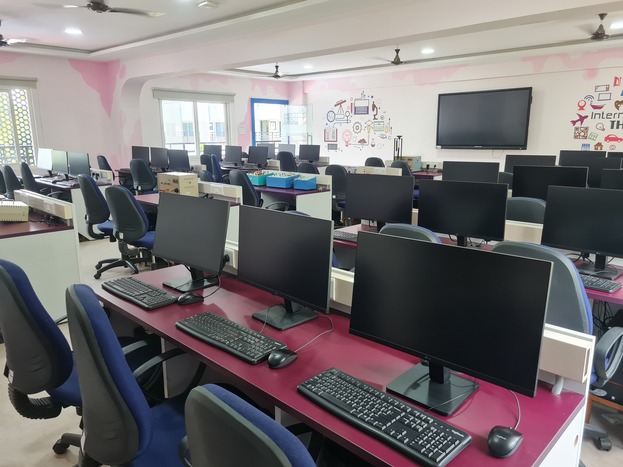
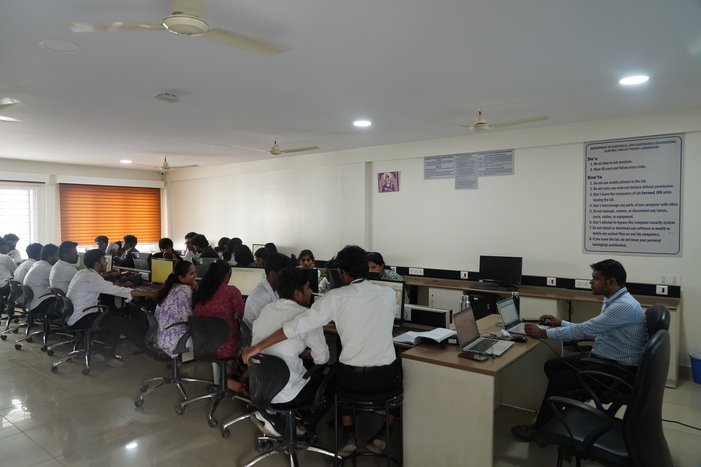
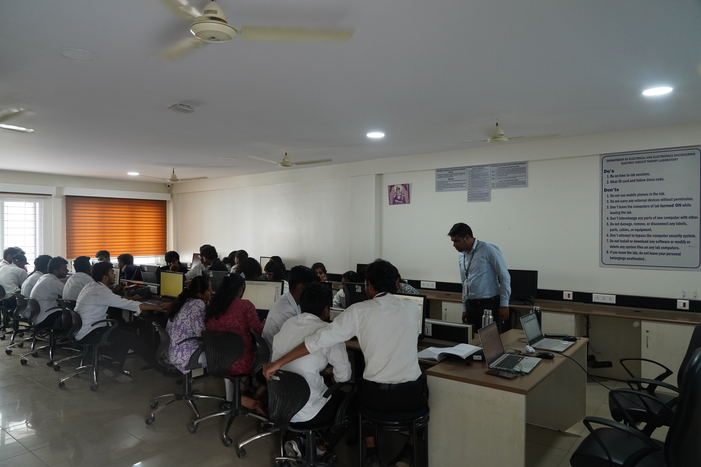
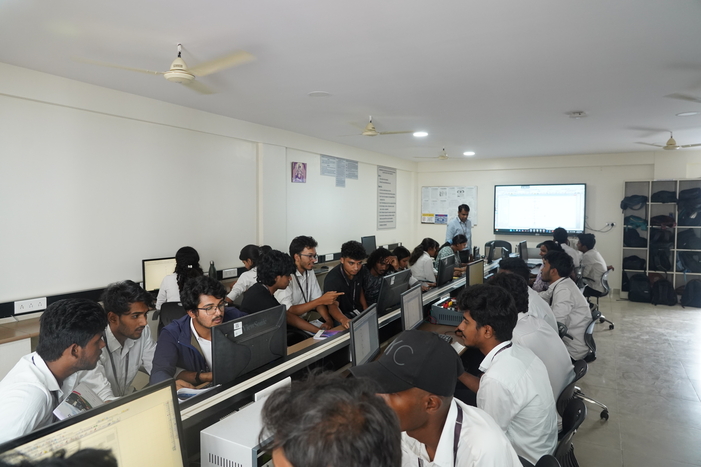
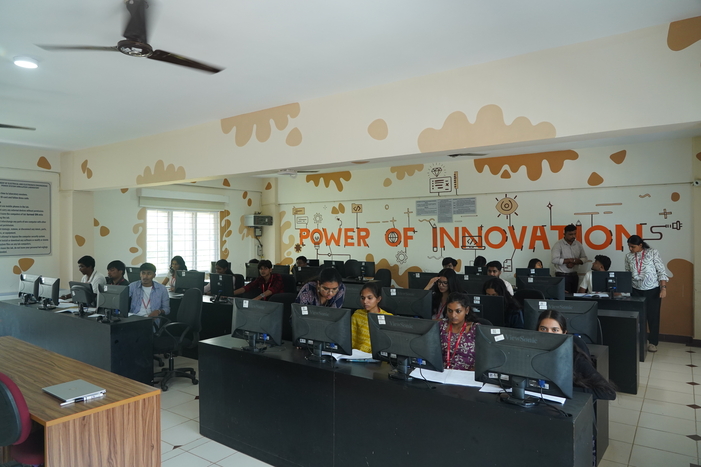
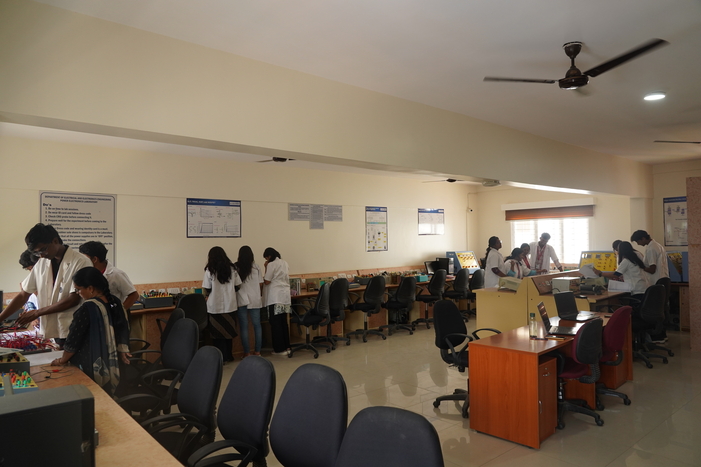
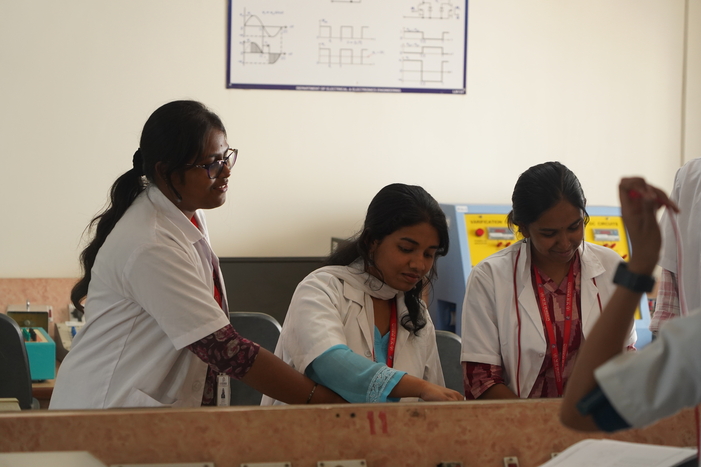
The Power System Simulation Laboratory provides students with practical exposure to the modelling, analysis and simulation of modern electrical power systems using industry-standard software tools such as MATLAB, ETAP and Mi-Power. The laboratory enables students to study power system operation, planning, protection, stability, control and power quality through simulation-based experiments.
The laboratory facilitates the analysis of load flow, short-circuit, fault, transient stability, economic operation and protection studies in power systems. By performing simulation-based experiments, students develop analytical and problem-solving skills and gain practical knowledge of software tools widely used in the power generation, transmission and distribution industries.
Digital and Power Electronics Laboratory
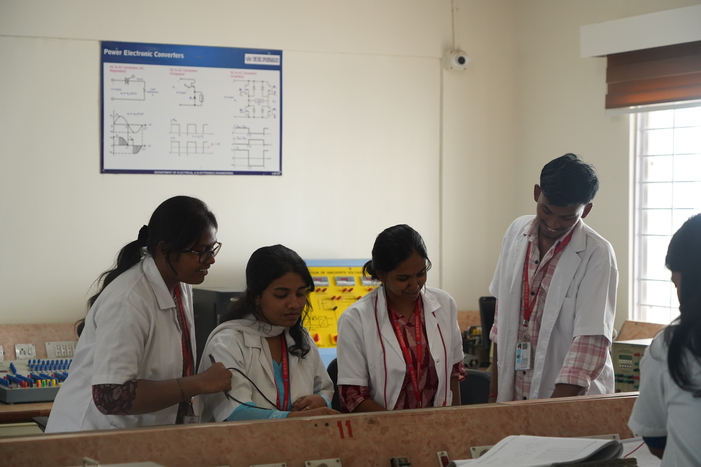
The Digital and Power Electronics Laboratory provides students with hands-on experience in digital electronics and power electronic systems. The laboratory enables students to understand the operation and applications of digital logic circuits, advanced power semiconductor devices, power converters and switching circuits through practical experimentation.
The laboratory is well equipped with modern trainer kits, power electronic modules and measuring instruments to support experiments ranging from fundamental concepts to advanced applications. It also provides a platform for undergraduate students to design, implement and test mini and major projects, thereby enhancing their practical skills, analytical abilities and problem-solving capabilities in digital and power electronics.
Power System Protection and High Voltage Laboratory
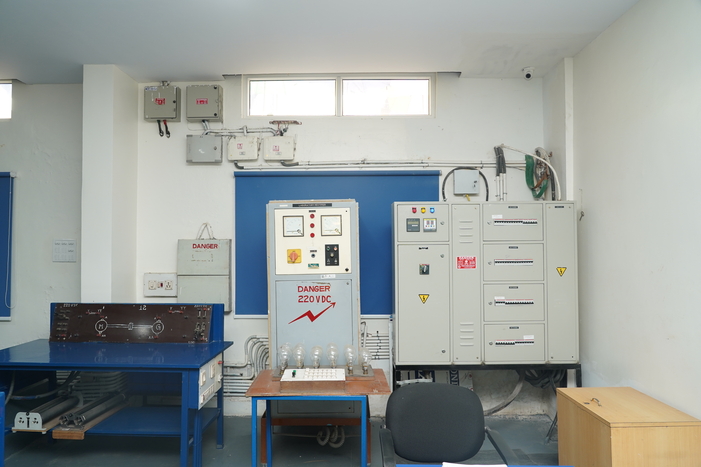
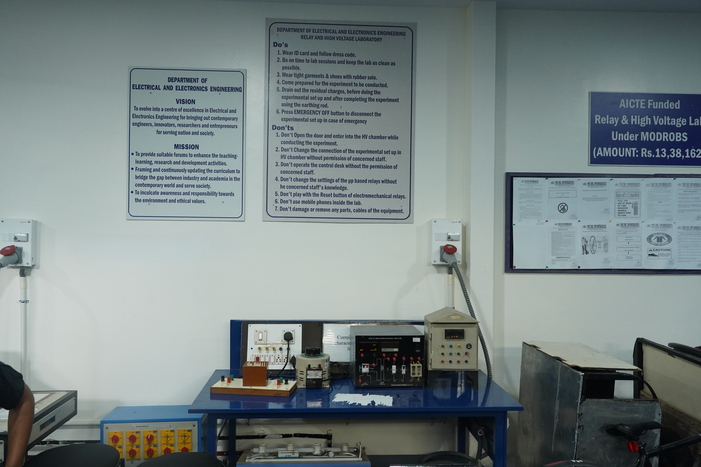
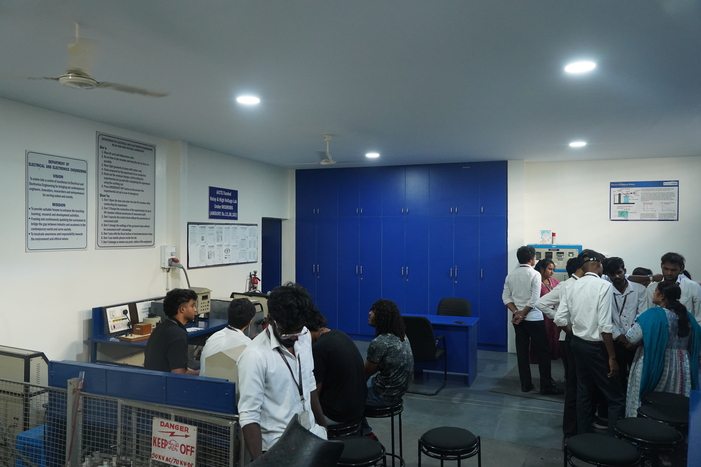
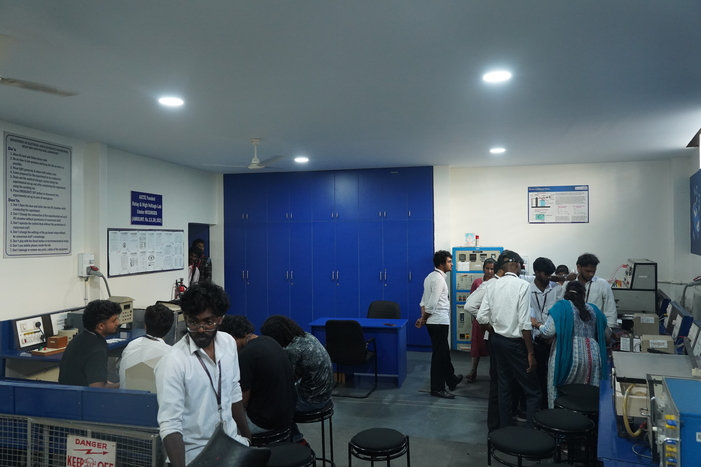
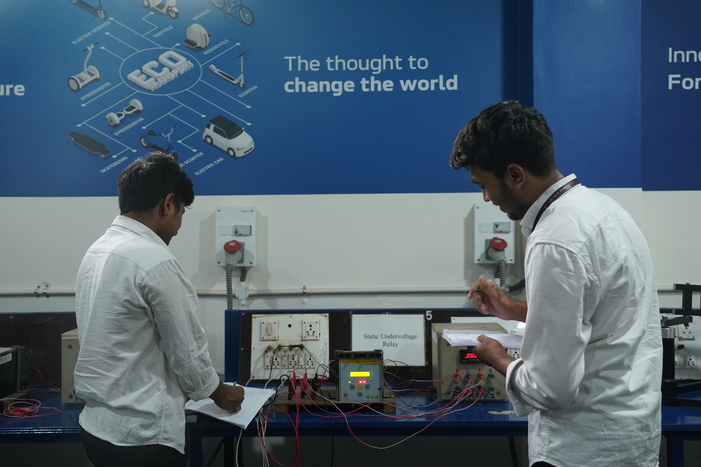
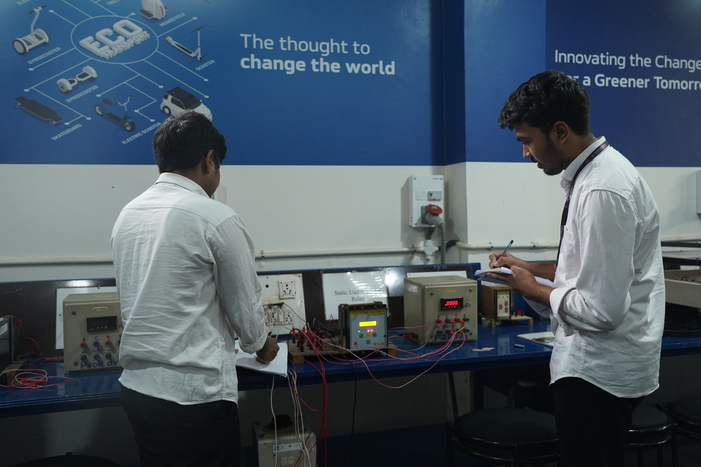
The Power System Protection and High Voltage Laboratory is a core laboratory of the Department of Electrical and Electronics Engineering, providing students with hands-on experience in power system protection and high-voltage engineering. The laboratory is equipped to conduct experiments on various protective relays, high-voltage testing and the analysis of different types of faults in power systems.
The laboratory enables students to perform experiments on overcurrent, distance, differential and other protection schemes, along with high-voltage generation and testing of insulating materials. It also supports the study of dielectric properties, insulation performance and fault analysis, helping students develop practical skills in power system protection, testing and research-oriented applications.
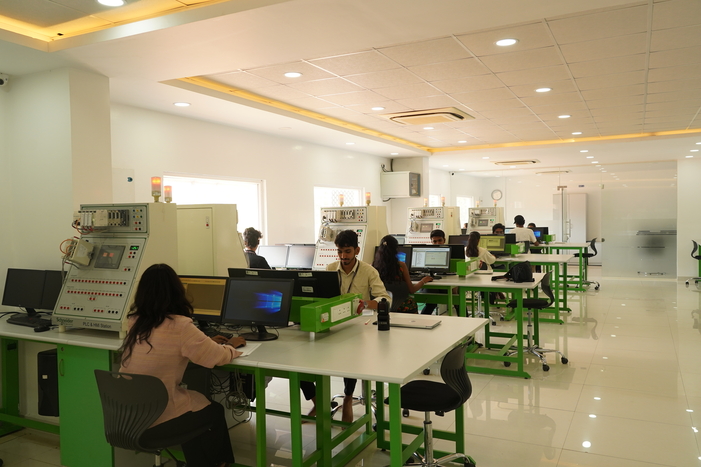
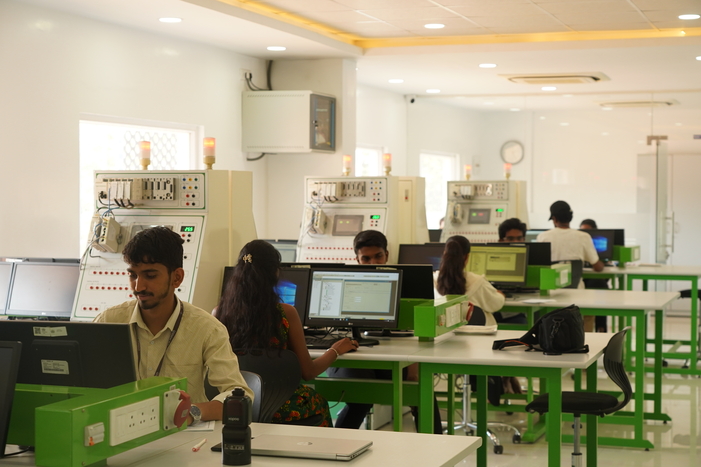
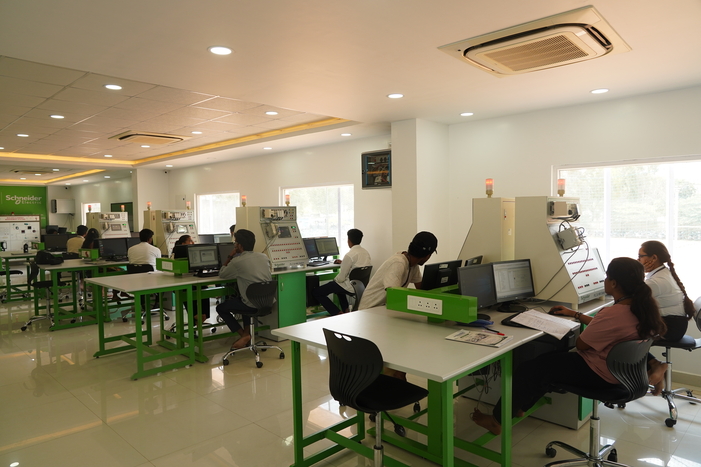
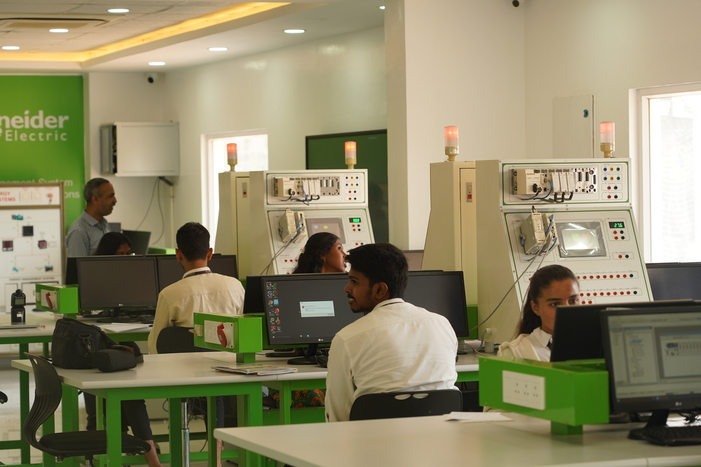
Schneider Industrial Automation Laboratory
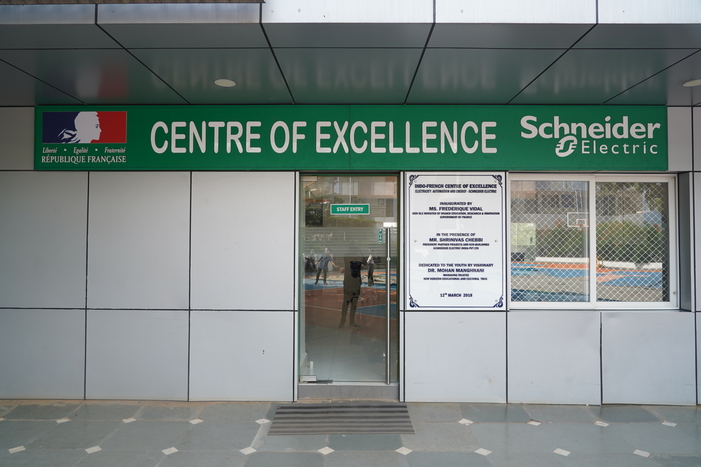
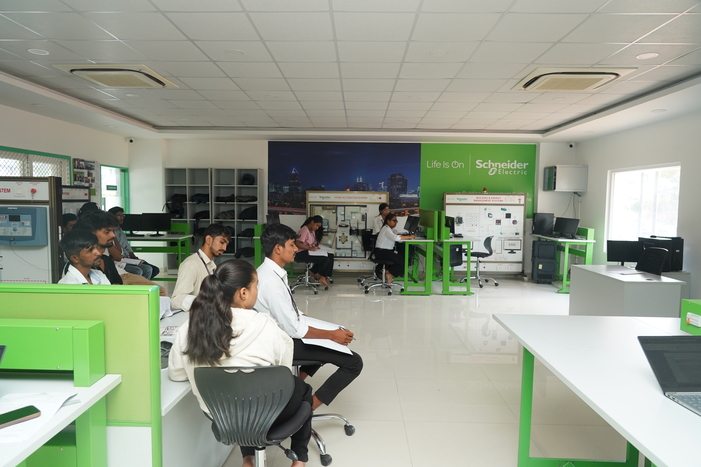
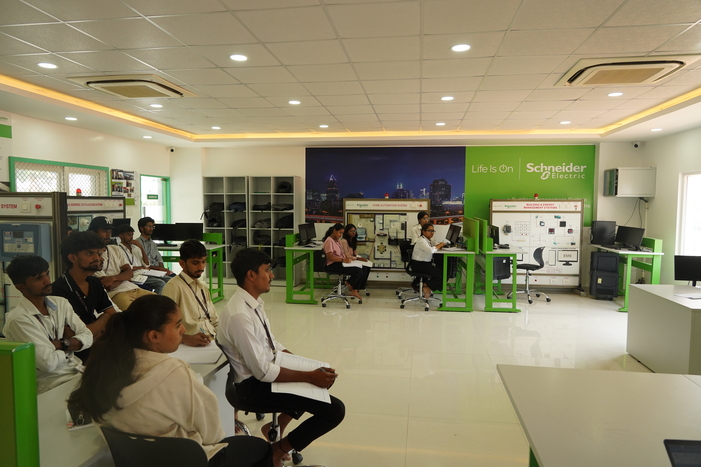
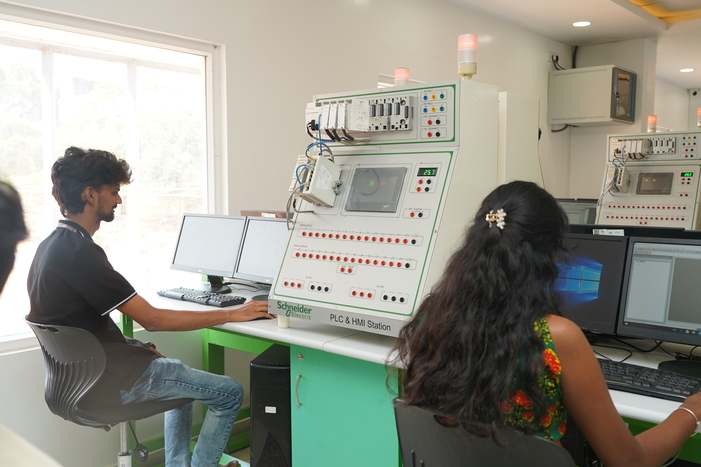
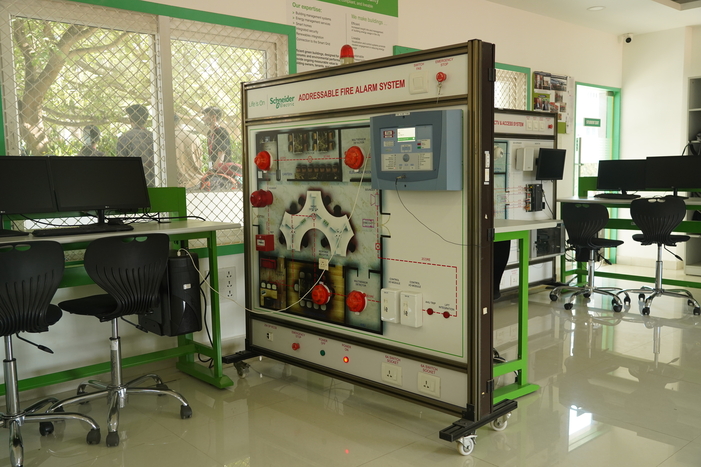
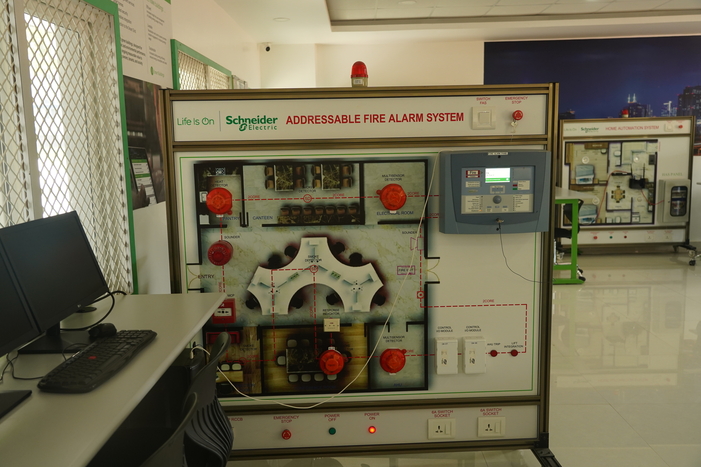
The Schneider Industrial Automation Laboratory serves as a Centre of Excellence for Industrial Automation, established to enhance knowledge and practical skills in automation technologies that support the digital transformation of modern industries. Developed in collaboration with Schneider Electric, the laboratory provides state-of-the-art facilities for faculty members, engineering students and research scholars to gain hands-on experience with industrial automation systems, control architectures, PLC programming, HMI, SCADA and industrial communication networks.
The laboratory offers specialised courses in Schneider Industrial Automation for students across engineering disciplines and Advanced Industrial Automation & Building Automation for Electrical and Electronics Engineering students. It enables learners to develop competencies in automation system design, programming, testing and implementation while supporting research and industry-oriented projects. The laboratory also facilitates international academic collaborations and internship opportunities, preparing students for careers in modern automated industries.
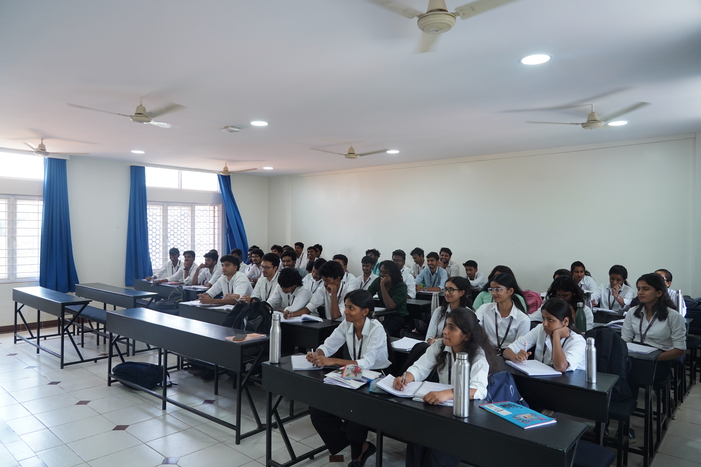
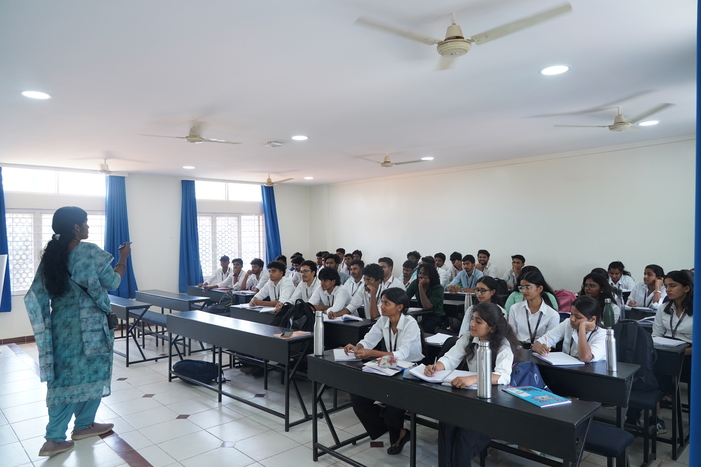
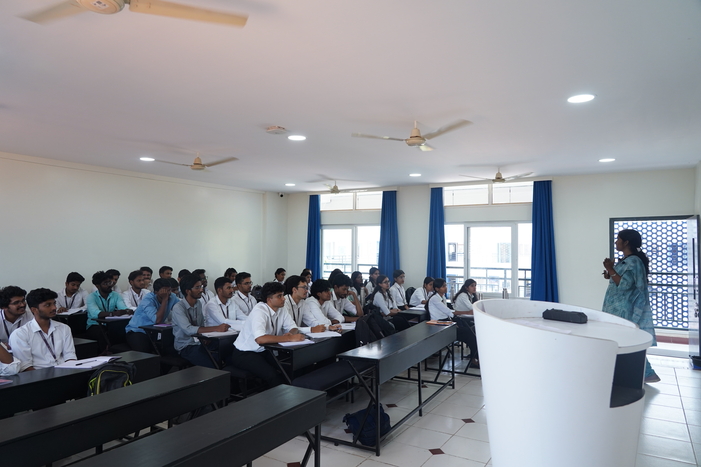
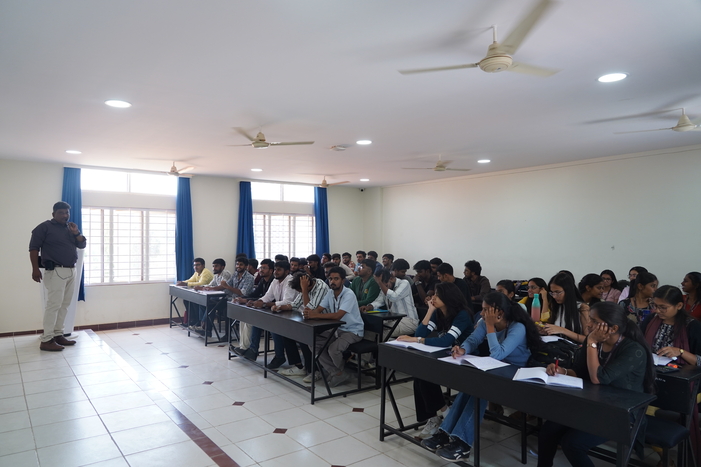
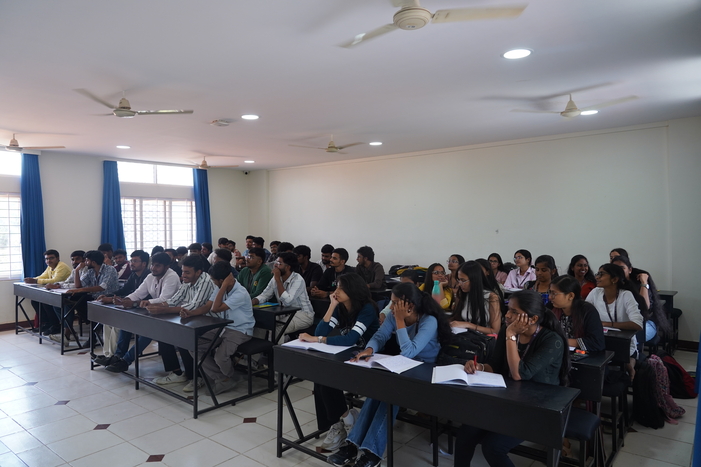
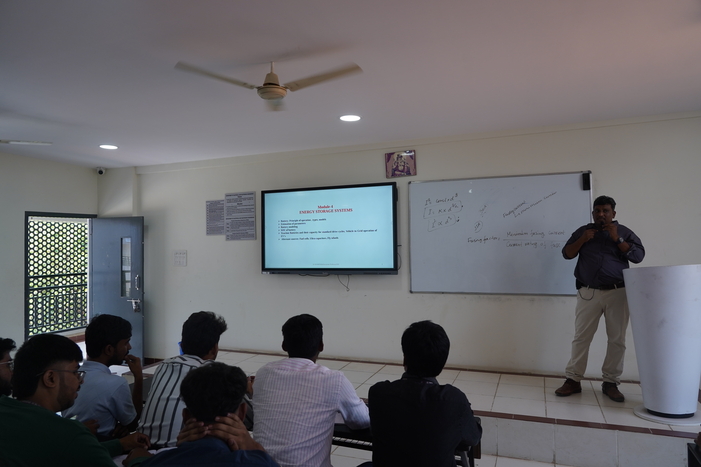
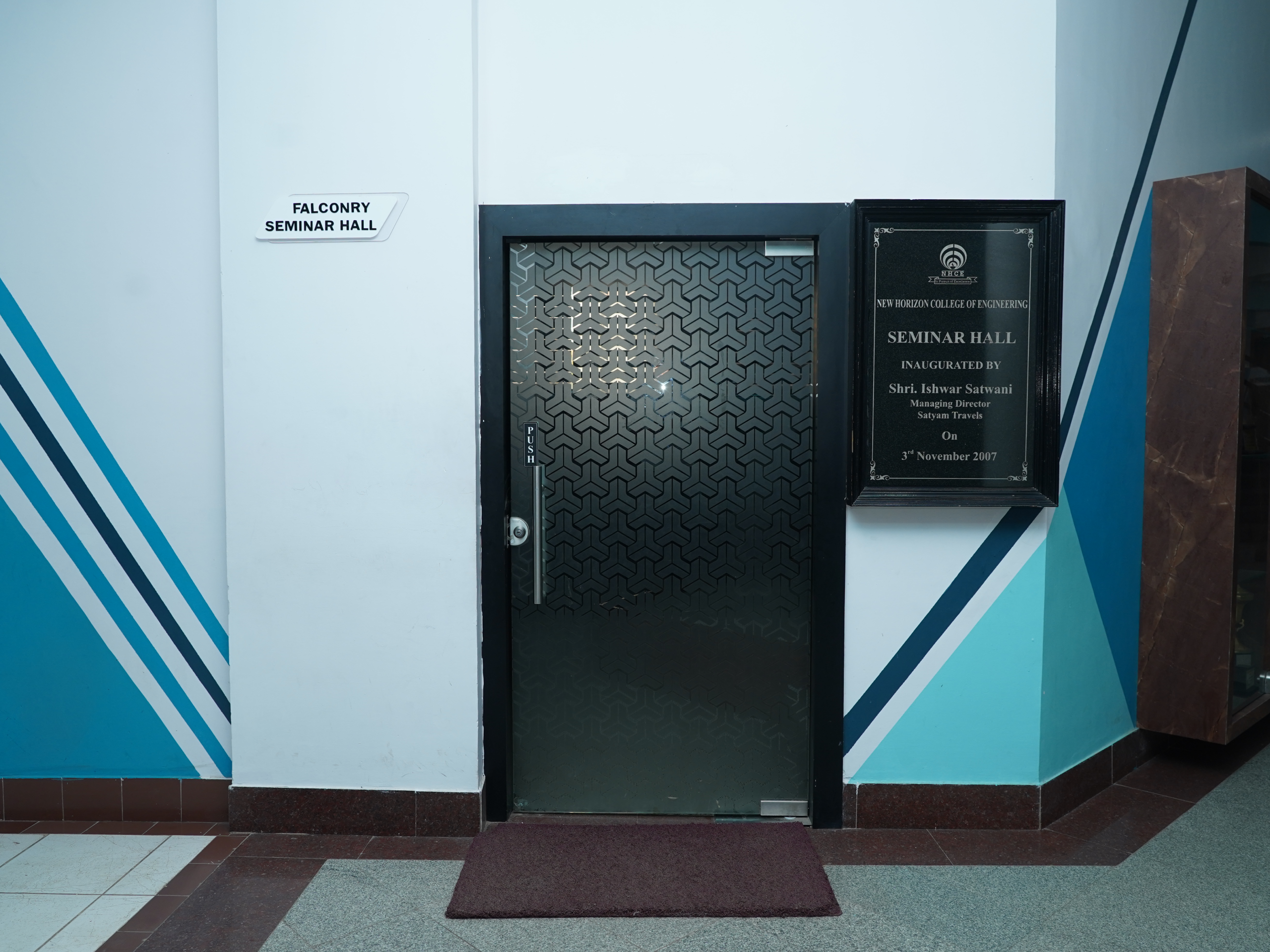
Falconary seminar Hall


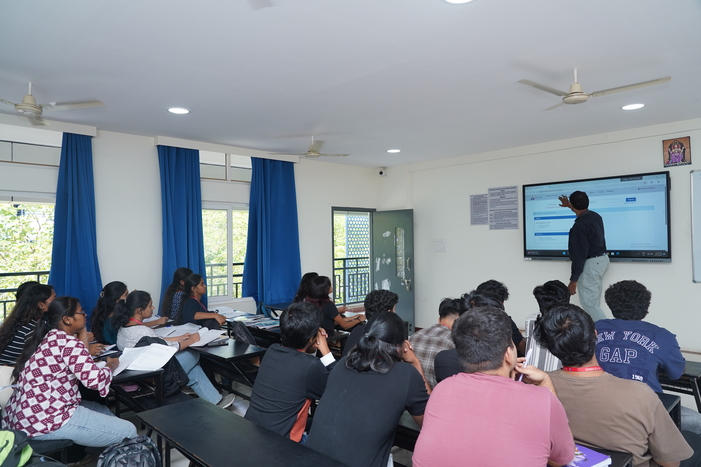
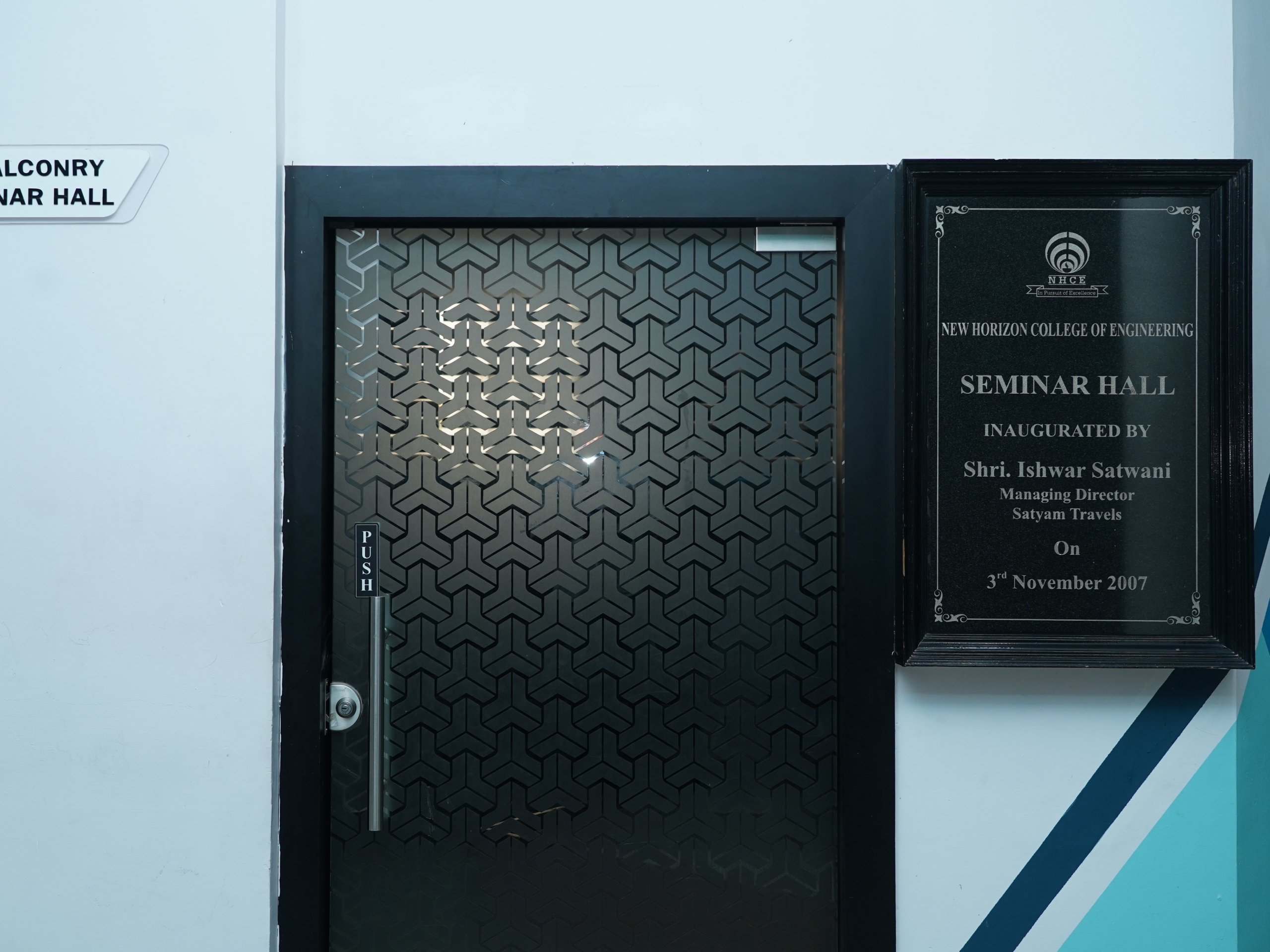
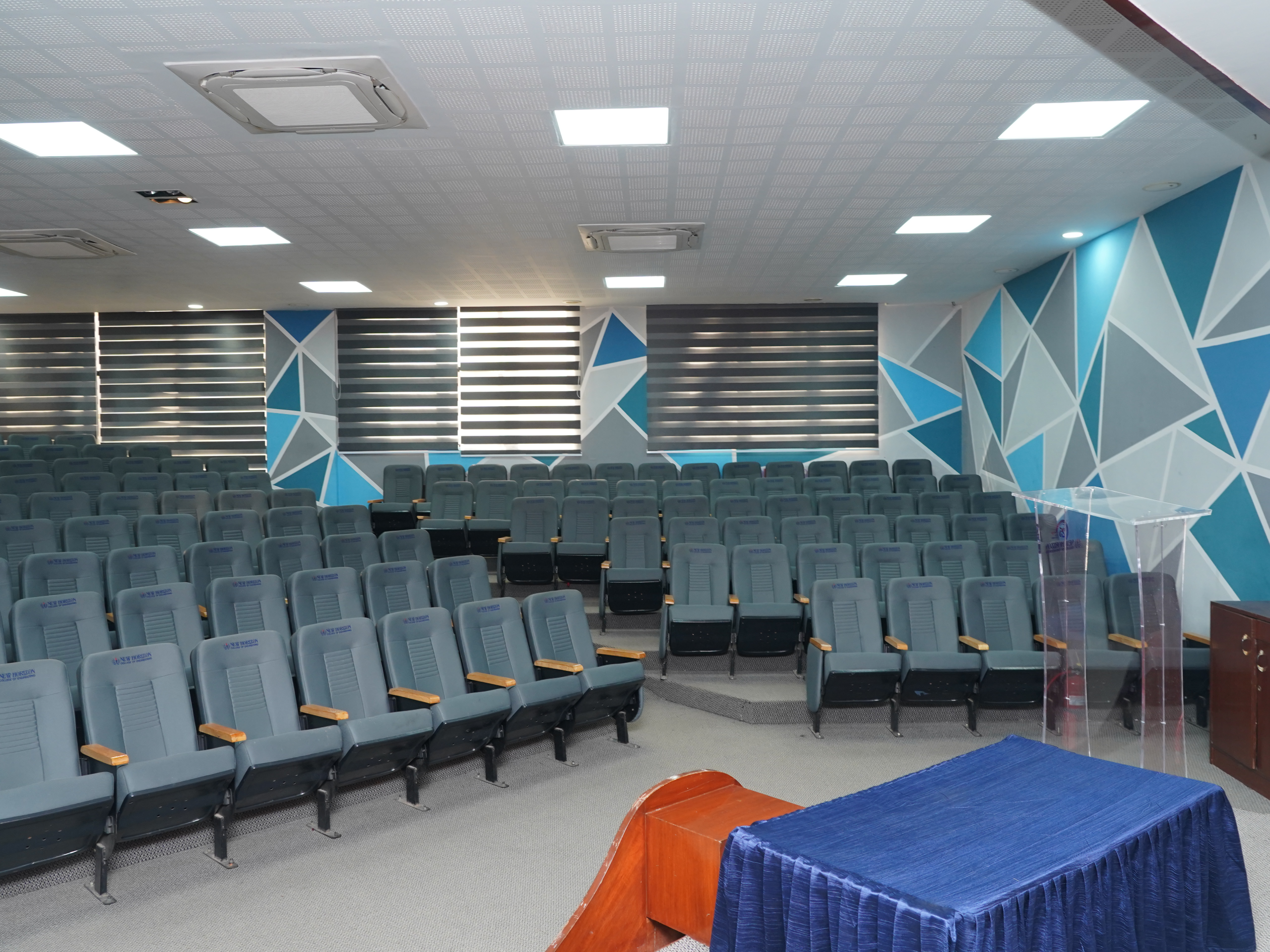
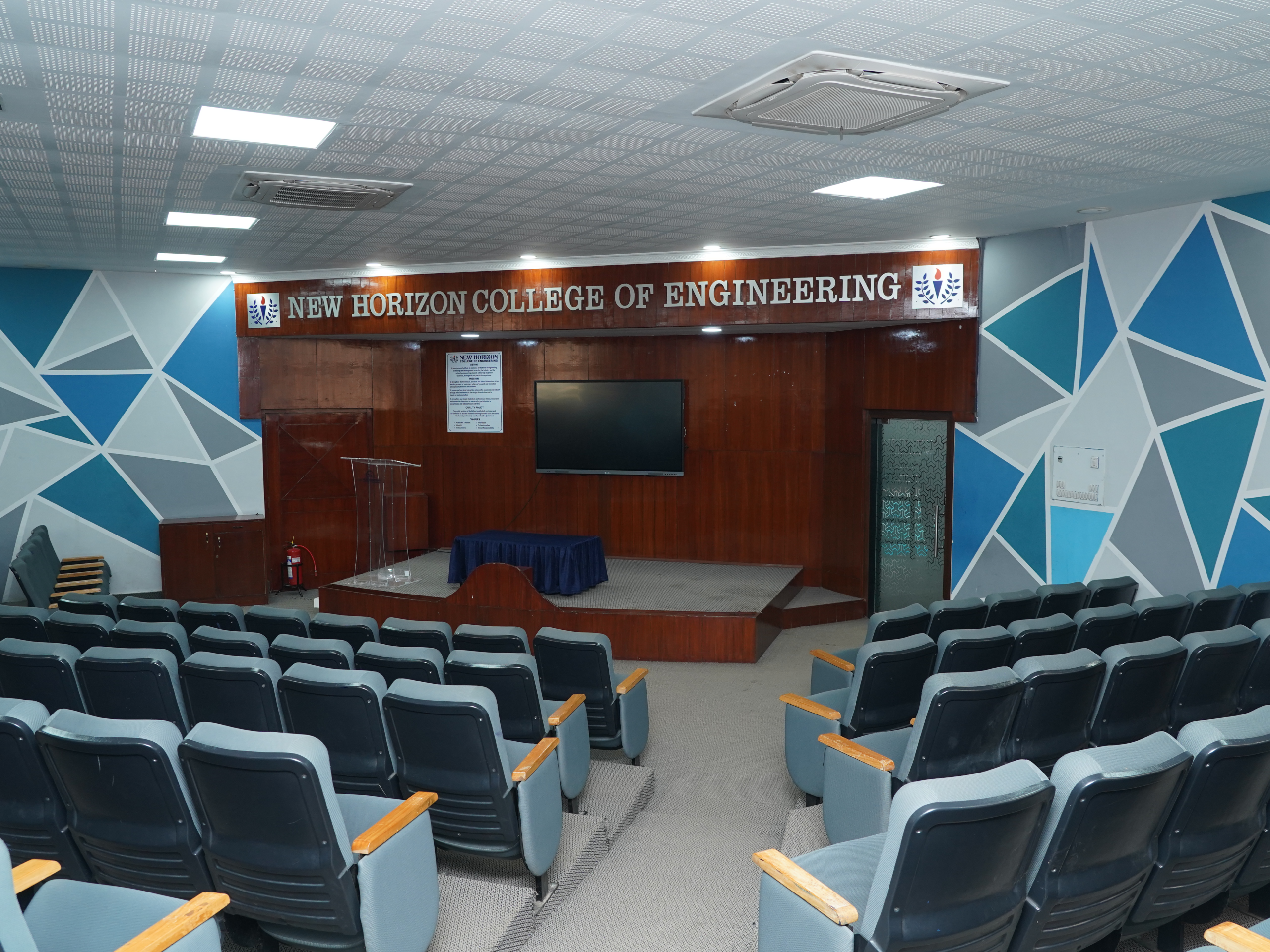
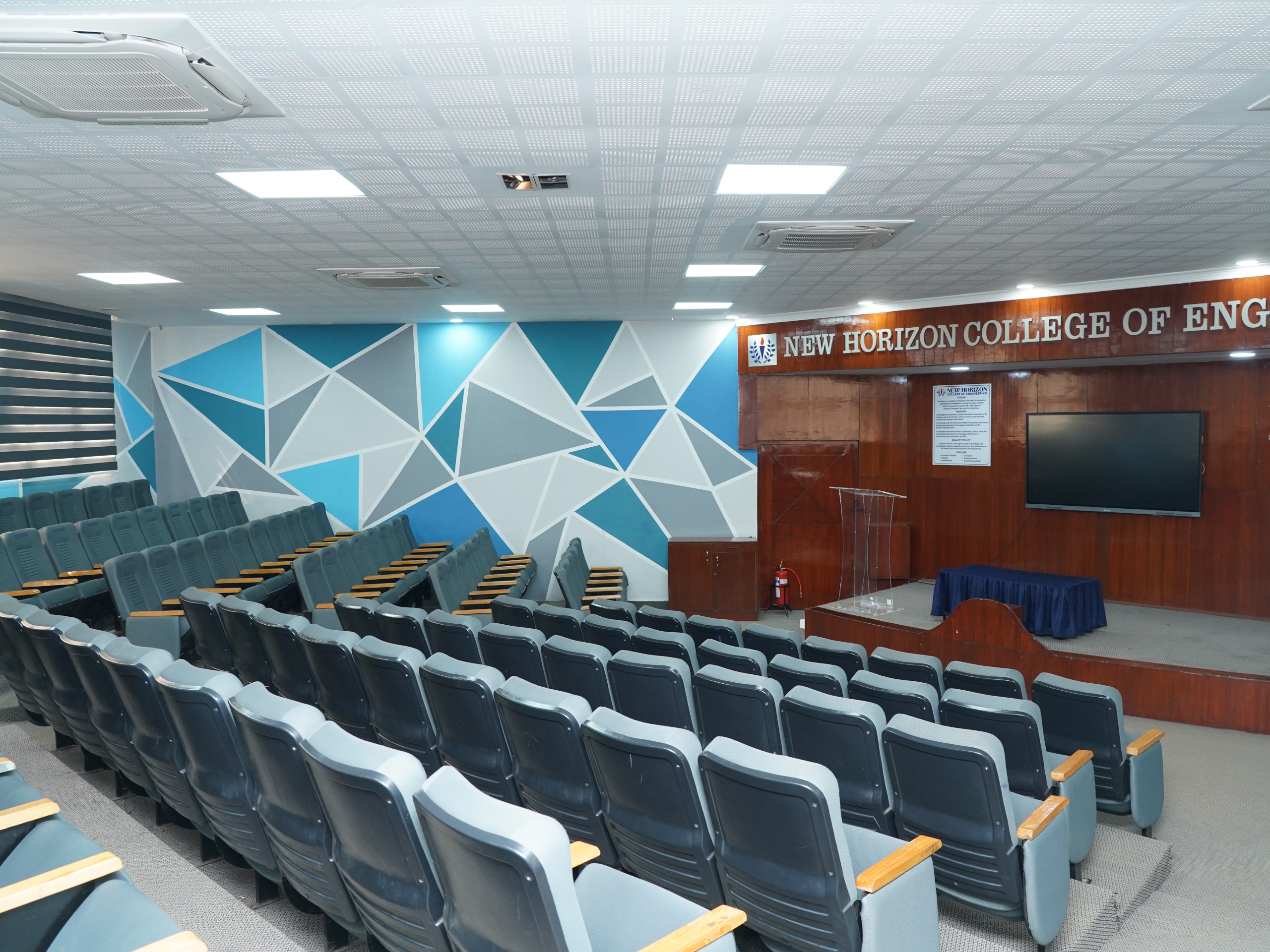
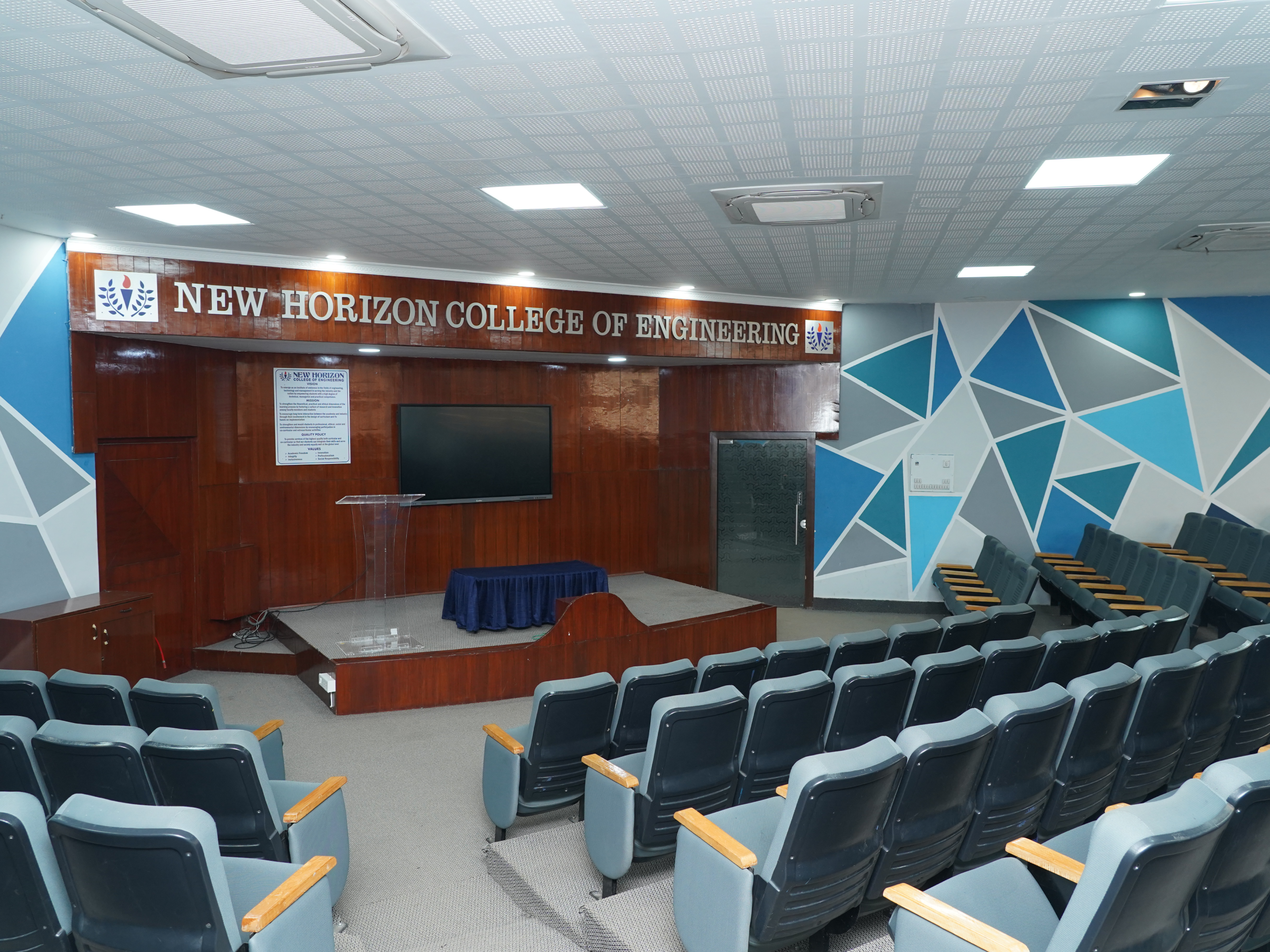
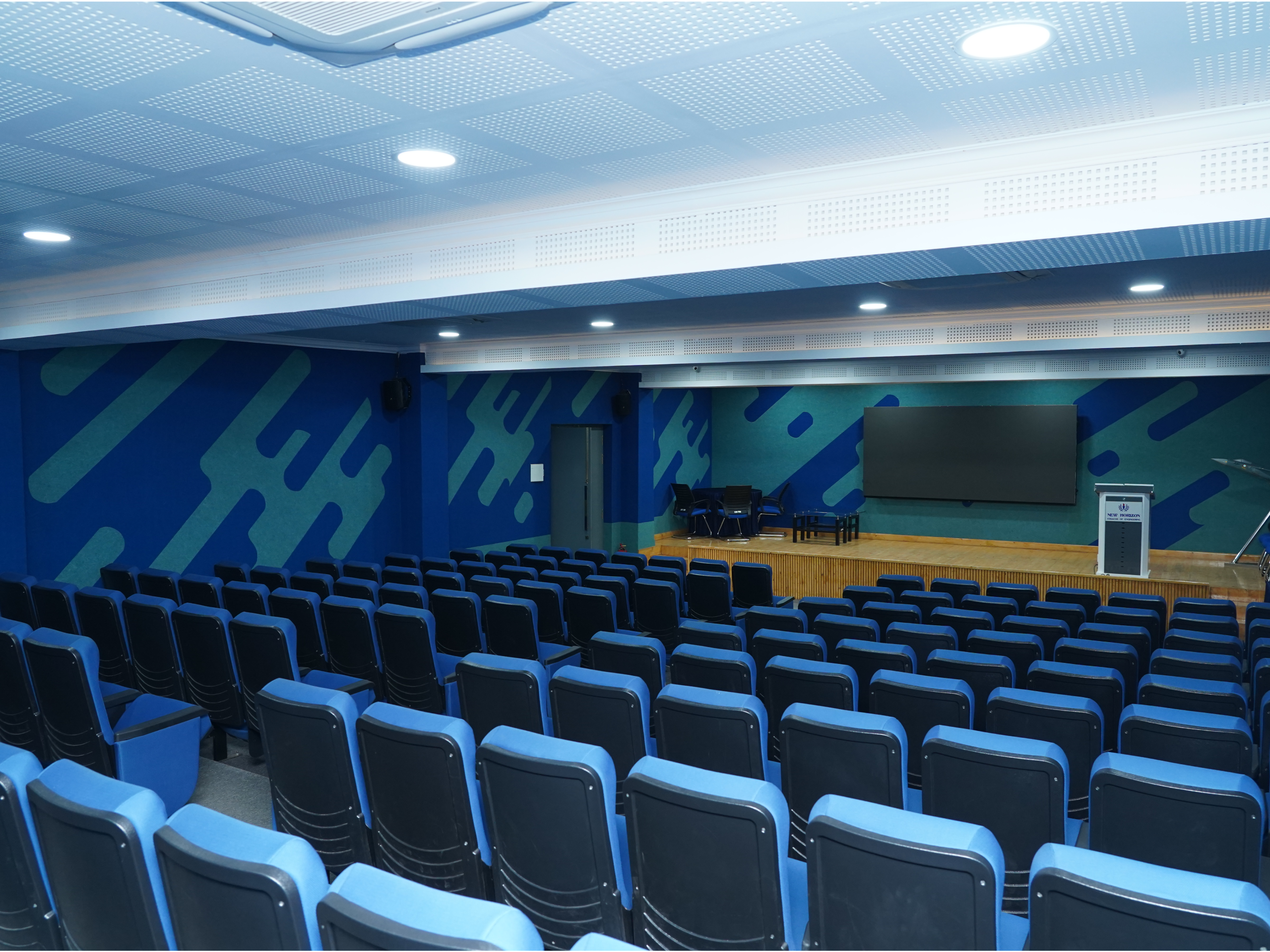
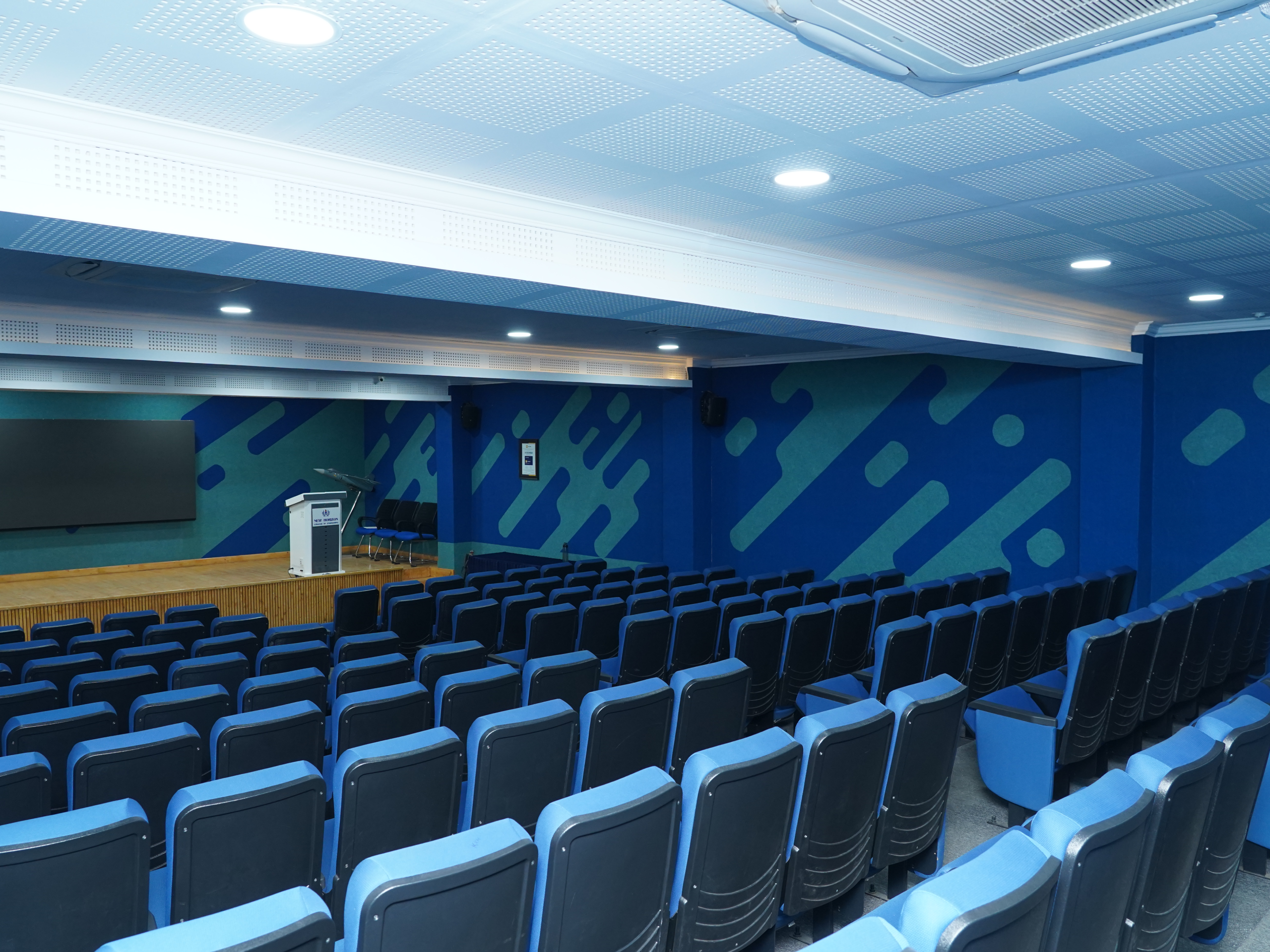
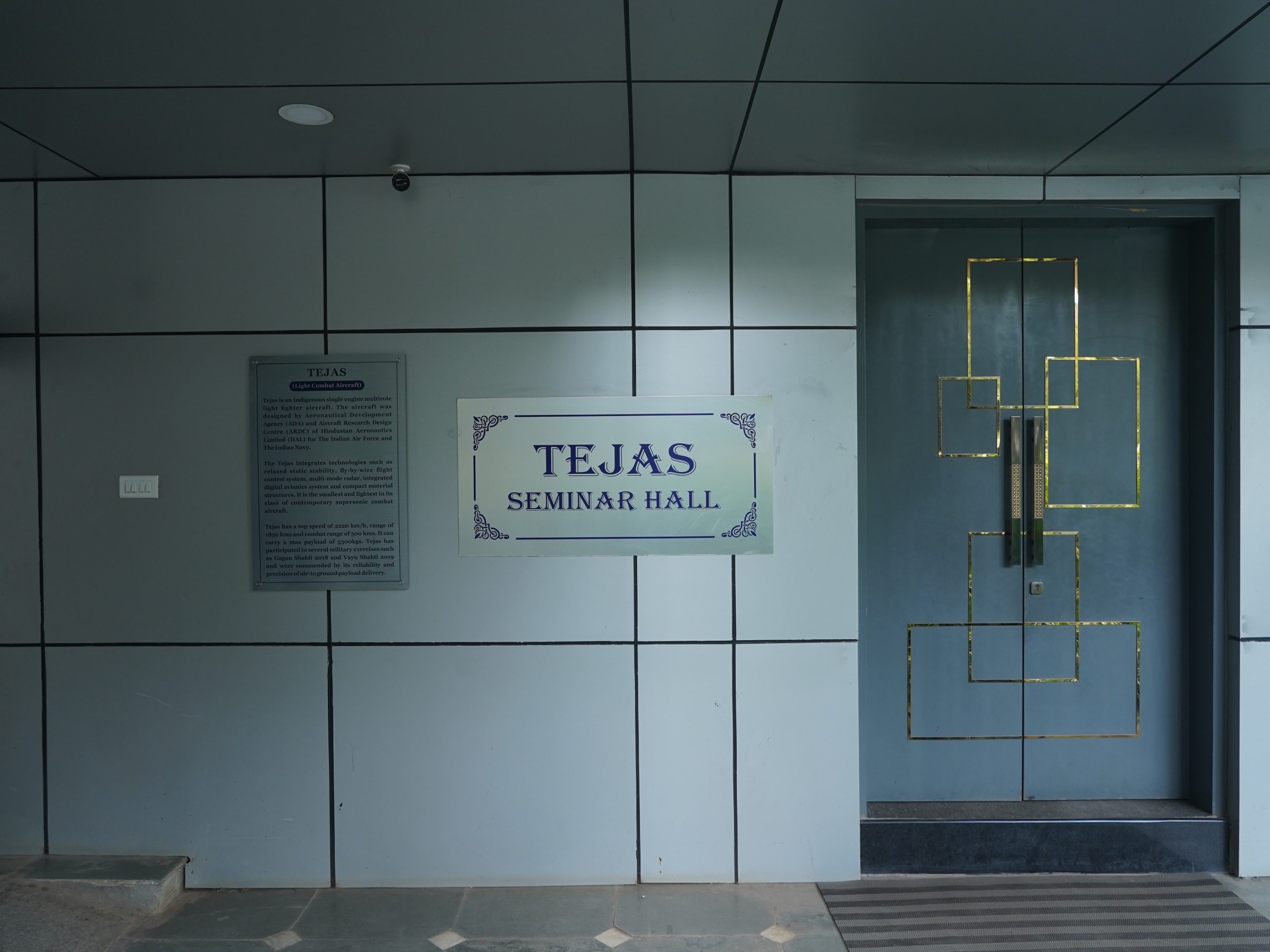
Tejas Seminar Hall