
SEMINARS & WORKSHOPS
Expert Talk on “AI & Innovation Sprints: Rapid Prototyping for Digital Transformation
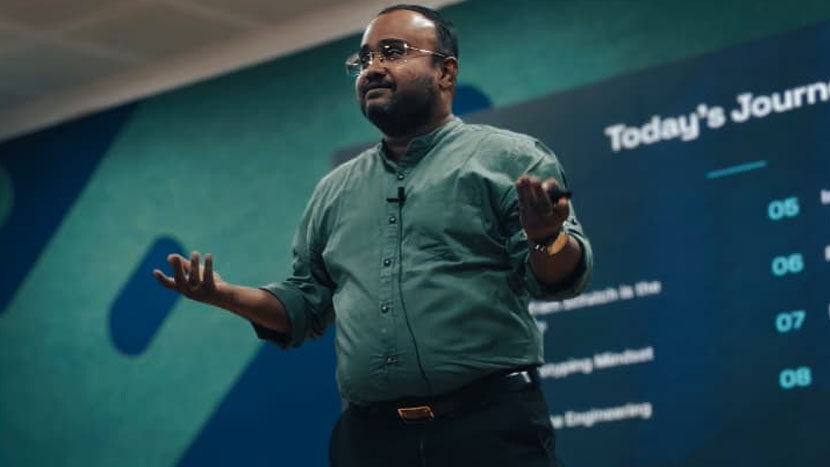
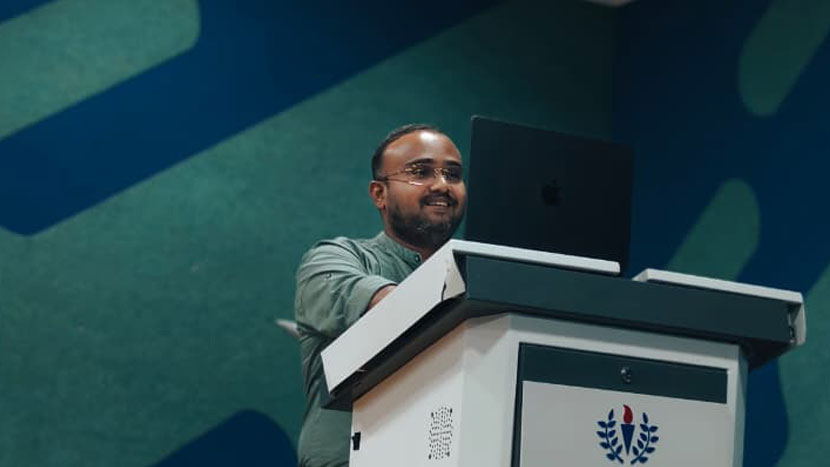
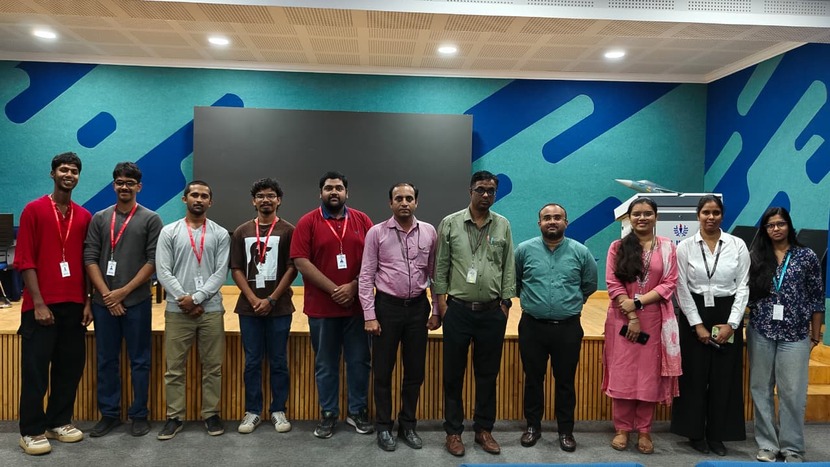
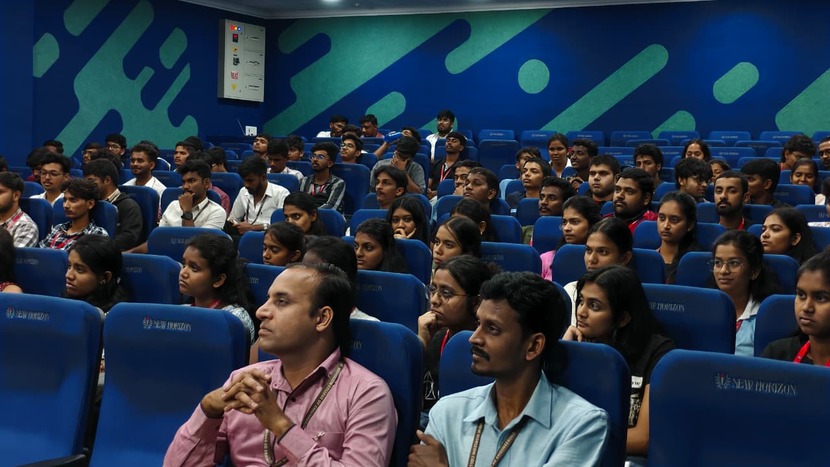
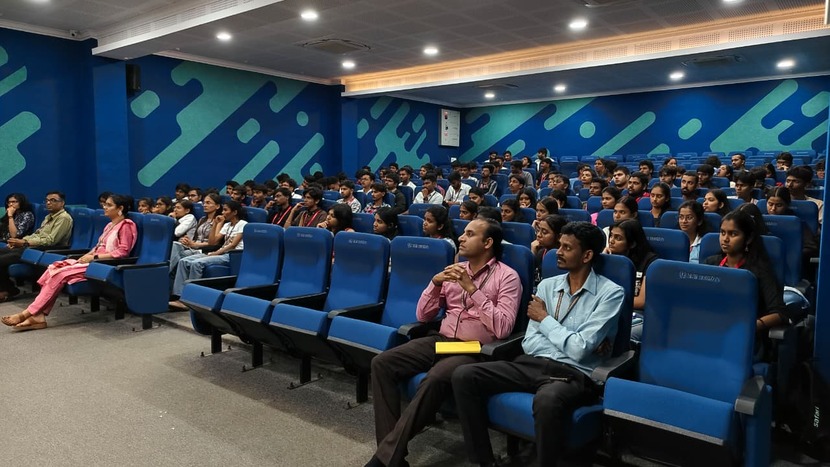
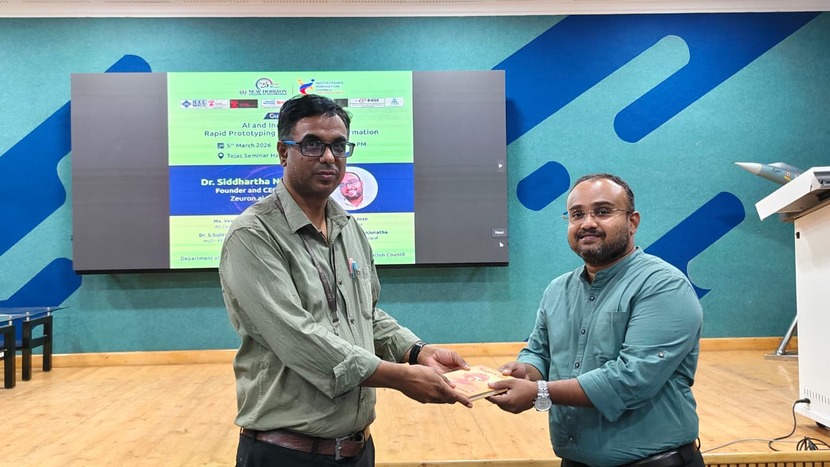
The Department of Electrical and Electronics Engineering organised an Expert Talk on “AI and Innovation Sprints: Rapid Prototyping for Digital Transformation” on 5th March 2026. The event was conducted in association with the Institution’s Innovation Council (IIC), IEEE Dielectrics and Electrical Insulation Society, IEEE Power Electronics Society (PELS), IEEE Industrial Electronics Society, IEEE Power and Energy Society (PES), and IEEE Technology and Engineering Council (TEC), emphasising its interdisciplinary relevance.
Dr Siddhartha Nair, CEO of Zeuron.ai, delivered the session and shared key insights on the role of AI in accelerating digital transformation. He explained how innovation sprints and rapid prototyping help organisations quickly test and refine new ideas. The talk highlighted the growing impact of machine learning, data analytics, and intelligent automation in solving real-world industrial and societal challenges.
Dr. Nair also emphasised design thinking, collaborative innovation, and startup culture as essential drivers of modern technological progress. He showcased practical AI applications across industries and product development, motivating students to think creatively. The session encouraged participants to explore AI-driven solutions and develop practical prototypes using their technical skills.
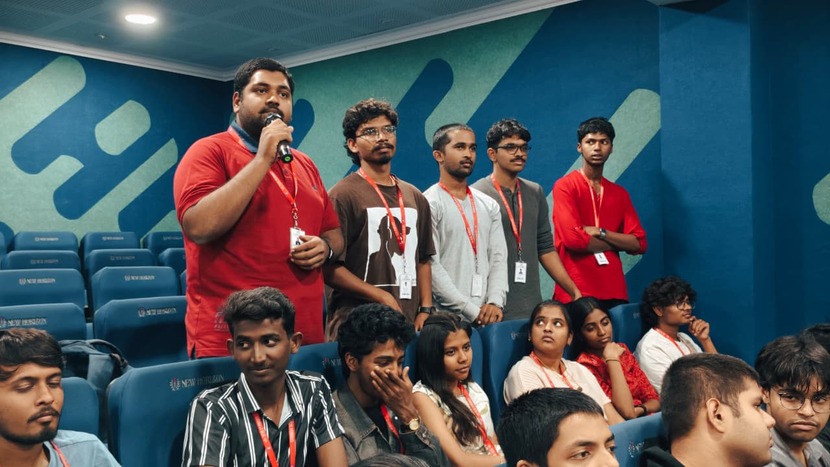
Students actively engaged in discussions and gained a deeper understanding of AI innovation and rapid development approaches. The expert talk received highly positive feedback for its informative and inspiring content.
During the session, he explained how increased EMF levels can affect critical infrastructure such as underground cables, transformers, and sensor networks, emphasizing the importance of predictive modelling to anticipate EMF-induced stress. He also highlighted the limitations of conventional insulation materials such as PVC and XLPE under high-frequency operating conditions.
The speaker introduced nanocomposites and advanced polymer blends as promising alternatives, emphasizing their superior durability, thermal stability, and sustainability. He further showcased Cisco’s role in enabling secure and resilient communication networks that support smart city ecosystems.
The talk also underlined the importance of interdisciplinary collaboration among engineers, material scientists, and urban planners in addressing emerging technological challenges. Students actively participated in the interactive Q&A session, where discussions covered topics such as EMF-related health concerns, biodegradable insulation materials, and AI-based stress modelling.
Overall, the seminar successfully connected theoretical concepts with practical industry insights and highlighted the growing need for innovative insulation strategies in the development of future-ready smart cities